

Most corporate event planners believe the Banquet Event Order covers only catering and room setup. This common misconception contributes directly to 40% of event failures linked to insufficient detail in BEOs regarding entertainment and audiovisual needs. Understanding precise entertainment terminology transforms communication between planners and vendors, preventing costly misunderstandings that derail corporate events across Europe and the Arabian Peninsula.
Table of Contents
- Introduction To Corporate Event Entertainment Terminology
- Key Entertainment Terminology In Corporate Events
- Comparison Of Entertainment Formats And Terminology
- Common Misconceptions In Entertainment Documentation And Terminology
- Roles And Responsibilities In Event Entertainment
- Regional Variation In Entertainment Terminology And Expectations
- Framework For Using Entertainment Terminology Effectively
- Conclusion: Enhancing Corporate Event Success Through Mastery Of Entertainment Terminology
- Elevate Your Corporate Event With Expert Entertainment
- Frequently Asked Questions
Key Takeaways
| Point | Details |
|---|---|
| BEO Scope | Comprehensive document covering entertainment, timing, and technical requirements beyond catering |
| Activation Impact | Interactive entertainment increases audience engagement by over 30% |
| Regional Differences | Cultural expectations shape terminology use across Central Europe and Arabian Peninsula |
| Framework Efficiency | Structured terminology categories improve communication effectiveness by 25% |
| Vendor Roles | Clear definitions prevent service gaps and overlaps during event execution |
Introduction to Corporate Event Entertainment Terminology
Corporate event entertainment terminology forms the professional language connecting planners, vendors, and venues across Central Europe and the Arabian Peninsula. These terms define everything from technical equipment specifications to performance formats and contractual obligations. When everyone speaks the same language, events run smoothly.
Regional variations matter because entertainment expectations differ significantly between Frankfurt and Dubai. Understanding these nuances prevents miscommunication when booking themed performances, live bands, or interactive experiences. The terminology you master today directly impacts tomorrow’s event success.
Common entertainment categories include:
- Themed performances like Bavarian nights or cultural showcases
- Live music ranging from acoustic sets to full bands
- DJs providing recorded music and emceeing
- Interactive activations engaging audiences through participation
- Audiovisual technical services supporting all performance types
Key Entertainment Terminology in Corporate Events
Banquet Event Order (BEO) is a critical document outlining timing, setup, menu, and audiovisual requirements to ensure event coordination. Many planners wrongly assume BEOs address only food service and table arrangements. This document must specify entertainment technical needs, performance schedules, power requirements, and stage dimensions to prevent day-of disasters.
Activation describes interactive entertainment designed to engage attendees actively rather than passive observation. Interactive event activations increase participant engagement by over 30%, creating memorable brand impressions that last long after the event concludes. Think photo booths with custom branding, live polling, or audience participation challenges.
Audiovisual terminology includes essential equipment terms. Audio Mixer blends multiple sound sources into balanced output for audiences. Amplifier boosts audio signals to drive speakers at appropriate volumes for venue size. 80% of corporate events in Europe incorporate audiovisual enhancements like these components to ensure professional sound quality.
Practical application example: When booking entertainment, your BEO should specify whether performers need wireless microphones, how many XLR cables to provide, and exact stage dimensions. This level of detail ensures vendors arrive prepared with compatible equipment.
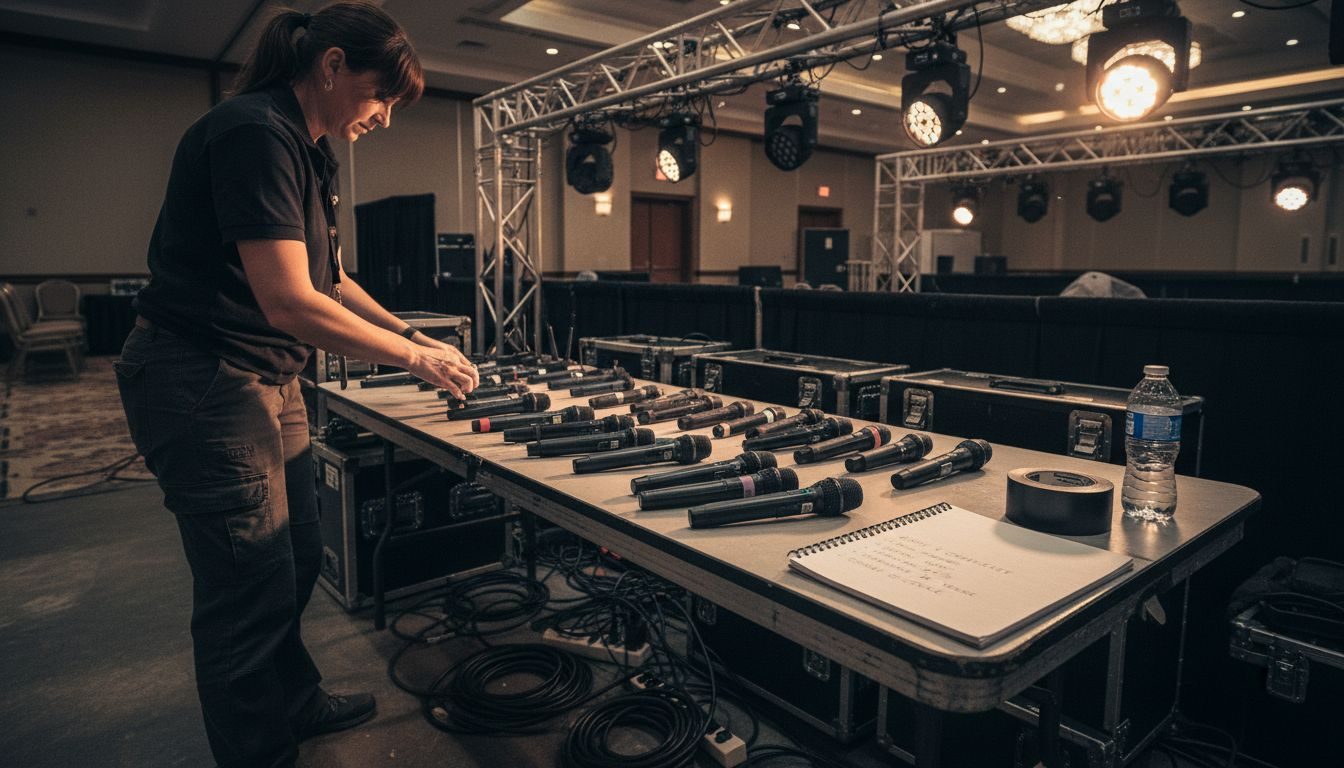
Pro Tip: Always verify your BEO explicitly covers all technical entertainment details including power distribution, load-in times, and soundcheck windows. Review this section with vendors during contracting to catch gaps early.
When researching music booking workflow, understanding these terms helps you ask the right questions. Planning a Bavarian Night event requires specific technical specifications that only clear terminology can communicate.
Comparison of Entertainment Formats and Terminology
B2B events make up about 65% of corporate event expenditures in Europe, focusing on networking, while B2C targets consumer engagement and brand awareness. The terminology shifts accordingly. B2B events emphasize terms like breakout sessions, thought leadership, and relationship building. B2C events prioritize experiential marketing, touchpoints, and consumer journey language.
Regional preferences create distinct terminology patterns. Over 70% of corporate event planners prioritize cultural alignment when selecting entertainment in the Arabian Peninsula versus Europe. This drives different vendor expectations and contractual language.
| Aspect | Central Europe | Arabian Peninsula |
|---|---|---|
| Primary Goal | Professional networking | Relationship building and hospitality |
| Entertainment Style | Interactive, casual formats | Formal presentations with high production |
| Common Terms | Activation, breakout, networking lounge | Majlis setup, cultural programming, VIP hosting |
| Vendor Expectations | Self-sufficient technical setup | Full technical production support |
Key factors influencing entertainment choices regionally:
- Cultural sensitivity requirements vary dramatically between Frankfurt and Riyadh
- Language considerations affect emcee selection and musical repertoire
- Venue acoustics and typical room sizes differ by region
- Budget allocations for entertainment follow regional corporate norms
- Seasonal timing impacts availability and appropriate entertainment formats
Exploring types of event entertainment reveals these regional differences clearly. The guide to choosing event entertainment helps navigate terminology across contexts. Research on live bands vs DJs shows performance format terminology in action.
Common Misconceptions in Entertainment Documentation and Terminology
The most damaging misconception treats BEOs as catering contracts. Planners overlook entertainment specifications, assuming vendors will figure out technical details independently. Approximately 40% of event failures occur because BEOs lack detailed entertainment and audiovisual instructions. This leads to incompatible equipment, insufficient power supply, and timeline conflicts.
Another frequent error assumes vendors provide only their primary service. You book a band expecting music, but miss that the band leader offers DJing during breaks and after performances. This overlap creates confusion about responsibilities and missed opportunities for seamless entertainment flow.
Consequences of terminology misunderstandings:
- Last-minute equipment rentals at premium rates
- Performance delays disrupting event schedules
- Vendor conflicts over unclear scope boundaries
- Audience disappointment from technical failures
- Budget overruns from emergency solutions
Pro Tip: Confirm vendor roles and services explicitly in contracts to avoid last-minute confusion. Ask what equipment they provide versus what you must supply. Clarify whether they handle their own technical setup or need venue support.
The resource on choosing event performers addresses these misconceptions directly with clear selection criteria.
Roles and Responsibilities in Event Entertainment
Entertainment vendors fulfill multiple roles beyond their primary performance function. Live performers deliver musical sets or theatrical presentations. DJs curate recorded music, manage transitions, and often emcee events. Technical support vendors handle audiovisual equipment, lighting design, and stage management.
Elmar’s Oompah Band exemplifies multifunctional vendor capabilities. The group performs traditional Bavarian music with polkas, waltzes, and yodelling combined with international party hits. Crucially, the band leader provides DJing during breaks and afterlife music, eliminating the need for separate vendors. This integrated approach simplifies coordination and ensures consistent energy throughout events.
Clear role definitions prevent service gaps and overlaps. When one vendor handles both live performance and recorded music, you avoid awkward transitions and competing sound sources. Understanding each vendor’s full capabilities lets you optimize entertainment value while controlling costs.
Key responsibilities per vendor role:
- Live performers: Repertoire delivery, audience interaction, timing coordination, basic technical setup
- DJs: Music curation, emceeing, crowd energy management, equipment operation
- Technical support: Equipment setup, soundchecks, troubleshooting, breakdown
- Production coordinators: Timeline management, vendor liaison, problem solving
Exploring party band options reveals how professional entertainers structure their service offerings to maximize planning efficiency.
Regional Variation in Entertainment Terminology and Expectations
Central European event terminology emphasizes efficiency and direct communication. Terms like load-in, soundcheck, and set list carry precise technical meanings that vendors and venues universally understand. The focus centers on professional execution with minimal formality.
Arabian Peninsula terminology reflects hospitality traditions and relationship building. Majlis describes the formal reception space requiring specific setup. Cultural programming addresses entertainment respecting local customs and sensitivities. VIP hosting terminology governs service levels for distinguished guests. Over 70% of planners stress cultural alignment as critical for entertainment success in Arabian Peninsula events versus Europe.
Strategies for bridging terminology gaps:
- Create glossaries translating regional terms for multicultural planning teams
- Conduct pre-event briefings explaining cultural context behind terminology
- Hire local coordinators who understand regional entertainment expectations
- Build flexibility into contracts accommodating different interpretation of standard terms
- Document all terminology decisions in writing to prevent miscommunication
Key distinctions planners must navigate:
- Performance dress codes vary from business casual in Munich to formal attire in Dubai
- Timing flexibility differs between punctual European schedules and relationship-driven Arabian pacing
- Vendor hierarchy and communication protocols follow regional business customs
- Technical specifications may use metric versus imperial measurements
Understanding musical entertainment impact requires recognizing these cultural factors shape audience expectations fundamentally.
Framework for Using Entertainment Terminology Effectively
Structured terminology frameworks transform vague concepts into precise planning tools. Categorizing terms into four groups clarifies communication and reduces errors. Using frameworks classifying terminology into technical, contractual, experiential, and vendor categories improves communication efficiency by 25%.
| Category | Purpose | Example Terms |
|---|---|---|
| Technical | Equipment and setup specifications | Audio mixer, amplifier, wireless mic, stage plot |
| Contractual | Legal and financial agreements | Performance fee, cancellation policy, force majeure |
| Experiential | Audience engagement elements | Activation, touchpoint, immersive experience |
| Vendor | Service provider capabilities | Load-in, soundcheck, set length, encore |
Applying the framework during planning:
- Review vendor proposals categorizing each term into framework groups
- Identify missing categories requiring clarification before contracting
- Build BEO sections matching framework categories for complete coverage
- Conduct vendor meetings using framework structure to ensure alignment
- Create checklists per category for day-of execution verification
This systematic approach catches gaps early when corrections cost little instead of discovering problems during event setup. The framework becomes your quality control tool ensuring nothing falls through planning cracks.
Resources on choosing event entertainment demonstrate framework application in real vendor selection scenarios.
Conclusion: Enhancing Corporate Event Success Through Mastery of Entertainment Terminology
Mastering entertainment terminology directly reduces miscommunication and prevents the 40% of event failures stemming from documentation gaps. You now understand BEOs must comprehensively address entertainment technical needs, not just catering logistics. Activation terminology helps you create engaging experiences boosting participation over 30%.
Regional awareness ensures culturally aligned entertainment selection across Central Europe and the Arabian Peninsula. Applying terminology frameworks improves communication efficiency by 25%, while clear vendor role definitions prevent service overlaps and gaps. These tools transform you from terminology novice to confident professional.
Continuous learning remains essential as entertainment trends evolve and new terminology emerges. Collaborate closely with experienced vendors who speak your professional language and share knowledge freely. Your investment in terminology mastery pays dividends through smoother planning, better vendor relationships, and ultimately more successful corporate events that achieve strategic objectives.
Elevate Your Corporate Event with Expert Entertainment
You have learned the terminology. Now partner with professionals who speak your language fluently. Oompah Band specializes in corporate events across Europe and the Arabian Peninsula, delivering themed Bavarian entertainment with comprehensive DJ services. Their multifunctional approach simplifies your vendor coordination.
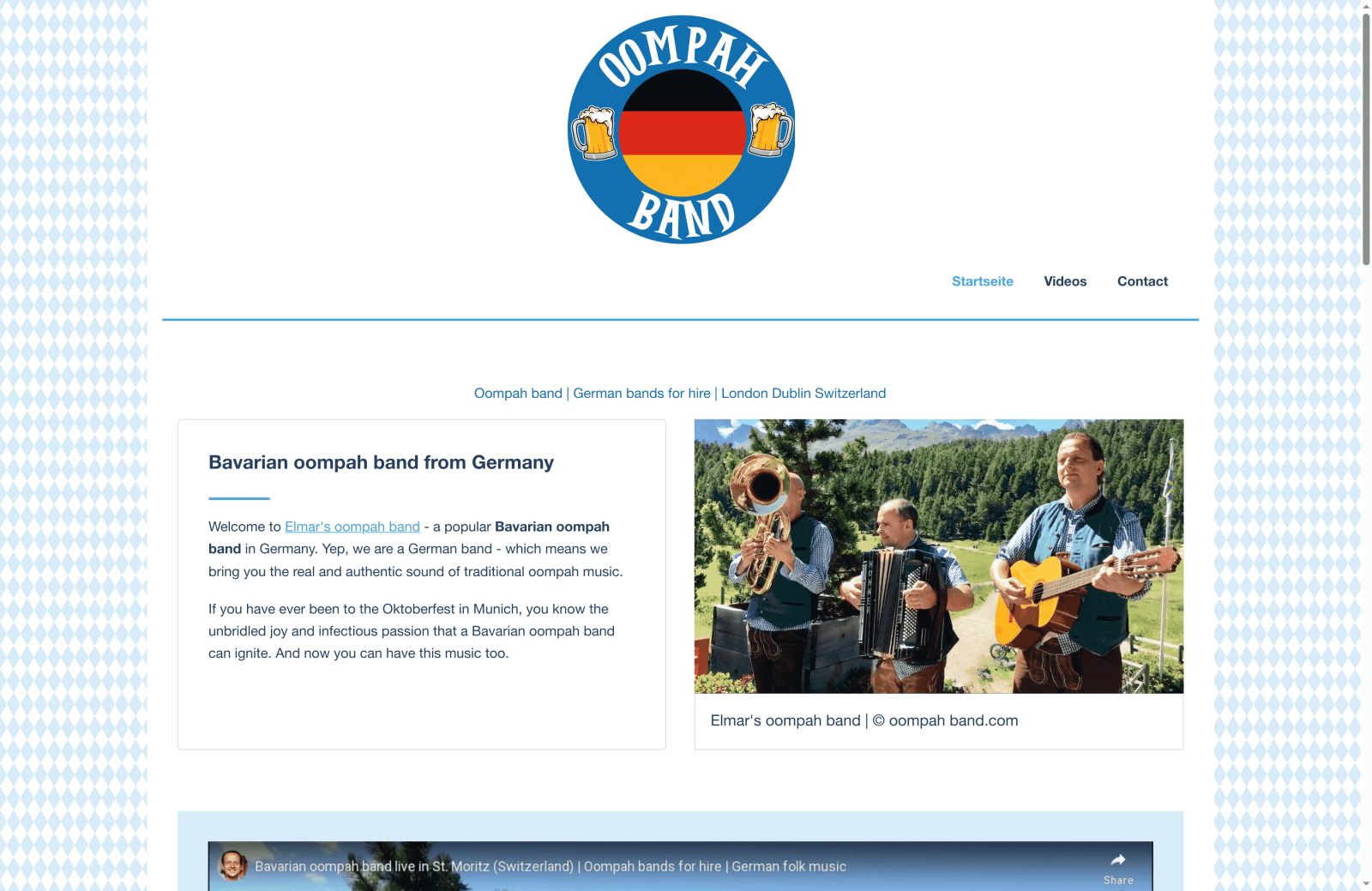
Experienced vendors eliminate terminology confusion by understanding exactly what you need when you use professional language. They bring cultural awareness and technical expertise preventing the common pitfalls discussed throughout this guide. Review the choosing event performers guide and explore choosing event entertainment services to apply your new knowledge immediately.
Frequently Asked Questions
What does BEO stand for and why is it important?
BEO means Banquet Event Order, a comprehensive contract outlining every event detail including entertainment, timing, technical specifications, and catering. It serves as the master coordination document ensuring all vendors, venues, and planners share identical expectations. Without detailed BEOs addressing entertainment explicitly, 40% of events experience failures from miscommunication.
How do cultural differences impact event entertainment terminology?
Different regions use certain terms uniquely reflecting local customs and entertainment styles. Arabian Peninsula events emphasize majlis setup and VIP hosting terminology, while Central European events focus on technical efficiency terms like load-in and soundcheck. Understanding these nuances helps planners select appropriate acts and avoid misunderstandings that damage client relationships.
What is an Activation in corporate event entertainment?
Activation refers to interactive entertainment designed to engage attendees actively rather than passively watching performances. Examples include branded photo experiences, live polling, audience challenges, and hands-on demonstrations. They boost audience participation and brand impression significantly, with studies showing over 30% improvement in engagement metrics compared to passive entertainment formats.
Why do terminology frameworks improve event planning efficiency?
Frameworks organizing terms into technical, contractual, experiential, and vendor categories provide systematic review structures catching planning gaps early. This structured approach improves communication efficiency by 25% because everyone knows exactly which aspects need clarification. Frameworks transform vague discussions into precise specifications preventing costly last-minute discoveries.
Can one vendor handle both live performance and DJ services?
Yes, many professional entertainment vendors offer integrated services simplifying coordination. Elmar’s Oompah Band exemplifies this by performing live Bavarian music while the band leader provides DJing during breaks and after performances. This eliminates awkward transitions between vendors and ensures consistent energy throughout your event while reducing overall vendor management complexity.