

Selecting music for a large corporate gathering often feels like balancing style and substance, especially when aiming to impress a diverse audience from Central Europe or the Arabian Peninsula. Understanding event music terminology bridges cultural expectations, whether integrating Bavarian traditions or energising the room with international party hits. This knowledge empowers you to make confident choices, streamline planning, and set your function apart with seamless communication between organisers, musicians, and technical staff.
Table of Contents
- Core Definitions In Event Music Terminology
- Types And Genres For Corporate Functions
- Live Bands, Djs And Performance Formats
- Key Roles And Technical Terms Explained
- Legal Rights And Licensing Essentials
- Risks And Common Pitfalls To Avoid
Key Takeaways
| Point | Details |
|---|---|
| Understanding Terminology | Familiarity with core musical terms facilitates effective communication between event planners and performers. |
| Choosing the Right Genre | Align music selection with corporate culture and event goals to enhance the emotional atmosphere. |
| Performance Formats Matter | Evaluate performance options like live bands or DJs based on event type and desired audience engagement. |
| Navigate Legal Frameworks | Ensure compliance with music licensing requirements to protect the rights of performers and avoid legal complications. |
Core Definitions in Event Music Terminology
Navigating the complex landscape of event music requires understanding essential terminology. Musicians and event planners communicate using a specialised vocabulary drawn from musical language traditions. These terms originate from multiple cultural backgrounds, predominantly Italian, French, and German musical practices.
Understanding core musical definitions helps corporate event organisers communicate precisely with performers and sound technicians. Key terminologies cover aspects like instrumentation, tempo, dynamics, and performance style. For instance, tempo markings indicate the speed of musical performance, ranging from adagio (slow and stately) to allegro (lively and fast). Dynamics describe the volume and intensity of musical performance, using terms like pianissimo (very soft) and fortissimo (very loud).
Professional event music terminology also encompasses instrumental classifications and ensemble configurations. A repertoire represents the complete collection of musical pieces a band can perform, while arrangement refers to how a musical piece is adapted for specific performers or events. Understanding these nuanced definitions ensures smooth communication between event planners, musicians, and technical staff.
Pro tip: Create a quick reference glossary of musical terms specific to your event’s musical style to facilitate clearer communication with performers.
Types and Genres for Corporate Functions
Corporate events demand strategic musical selections that enhance atmosphere and engage participants. Different musical genres play crucial roles in creating appropriate environments for various corporate gatherings. From formal conferences to celebratory product launches, music serves as a powerful communication tool that sets the event’s emotional tone.
Traditional corporate event music genres typically include sophisticated styles like jazz, classical, and acoustic performances. These genres provide elegant background ambience without overwhelming professional conversations. For more dynamic corporate celebrations, high-energy options such as live party bands, contemporary pop ensembles, and versatile roaming performers can transform the atmosphere. Bavarian-style oompah bands, for instance, offer unique entertainment that bridges traditional folk music with contemporary party hits.
Selecting the right musical genre requires careful consideration of event objectives, audience demographics, and corporate culture. A technology startup might prefer contemporary electronic or rock-influenced music, while a financial services firm might opt for more refined classical or jazz arrangements. The key is matching musical style to the event’s specific character and desired emotional response.
Pro tip: Request sample performance recordings from potential musical acts to ensure their style perfectly matches your corporate event’s intended atmosphere.
Live Bands, DJs and Performance Formats
Corporate events feature diverse musical performance formats, each offering unique advantages for creating memorable experiences. Live band vs DJ options represent the primary choices for event planners seeking to craft the perfect musical atmosphere. Live bands bring dynamic energy, visual engagement, and interactive performance capabilities that recorded music cannot replicate.
Performance formats range from traditional ensembles to contemporary configurations. A roaming acoustic band can provide ambient background music during networking sessions, while a full stage band delivers high-energy entertainment for evening celebrations. Bavarian-style oompah bands offer a distinctive option, blending traditional folk music with contemporary party hits. Professional DJs provide versatility through extensive song libraries and seamless musical transitions, enabling rapid mood shifts throughout different event segments.
Selecting the appropriate performance format depends on multiple factors including event type, audience demographics, venue acoustics, and corporate culture. A technology conference might prefer minimalist electronic music, whereas a financial services gala could benefit from sophisticated jazz ensemble performances. Some organisations opt for hybrid approaches, combining live band segments with DJ-managed musical interludes to maintain consistent audience engagement.
Here is a quick comparison of common music performance formats for corporate events:
| Performance Format | Atmosphere Created | Typical Use Case |
|---|---|---|
| Live Band | Energetic and immersive | Evening galas, parties |
| DJ | Versatile and adaptable | Product launches, receptions |
| Roaming Acoustic Band | Relaxed, informal ambience | Networking sessions, dinners |
| Oompah Band | Unique, festive experience | Themed celebrations, Oktoberfest-style events |
Pro tip: Request comprehensive technical riders and performance recordings from potential musical acts to ensure their style and technical capabilities perfectly match your corporate event requirements.
Key Roles and Technical Terms Explained
Event music production involves a complex network of professional roles and specialised technical terminology. Live event production terminology helps event planners communicate effectively with music professionals and understand the intricate mechanics behind successful performances. Understanding these roles ensures smooth coordination and professional execution of corporate musical experiences.
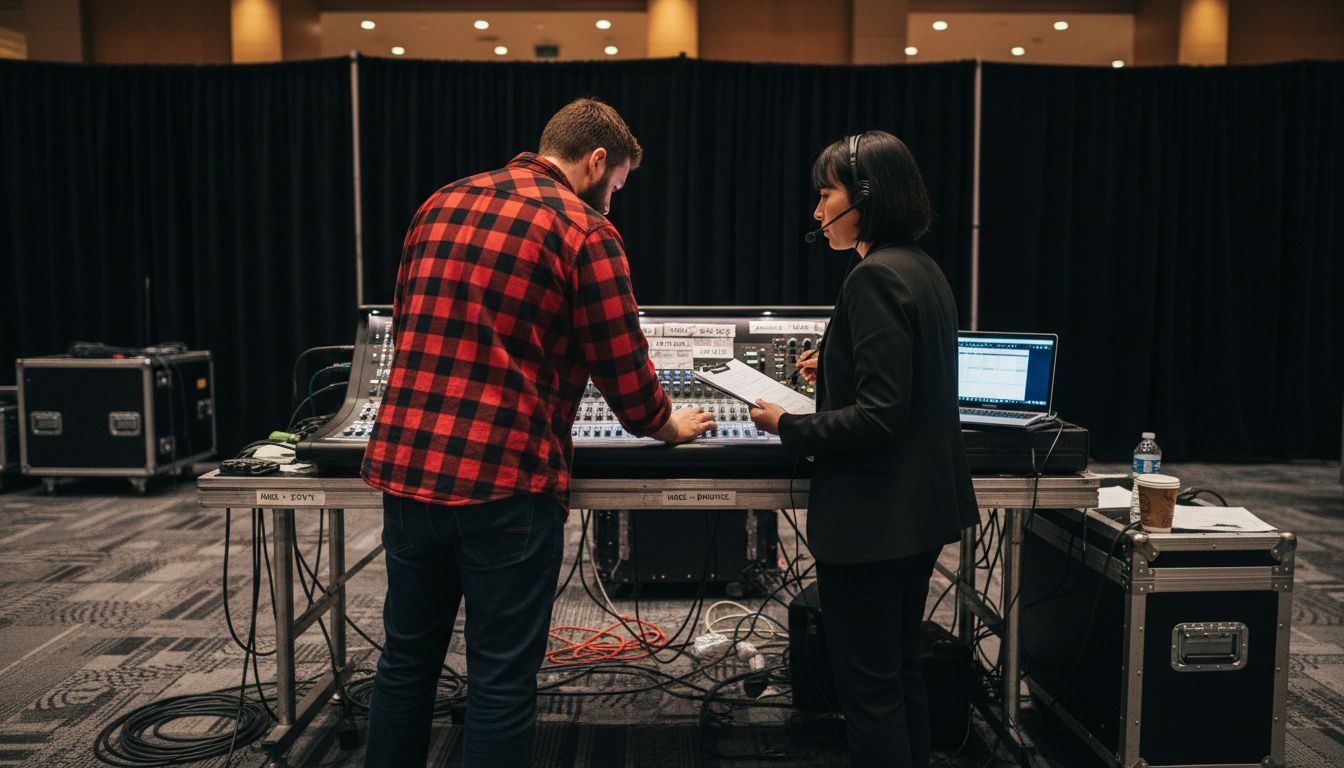
Key professional roles in event music include Artist Agent (who negotiates performance contracts), Production Manager (responsible for technical logistics), and Sound Engineer (managing audio quality and technical setup). Technical terms such as Backline (musicians’ equipment like amplifiers and instruments), Rider (detailed performance requirements), and AV Equipment (audio-visual technical infrastructure) are crucial for comprehensive event planning. Each role contributes specific expertise to create a seamless musical performance.
Technical terminology extends beyond personnel to include performance-specific language. Stage Plot describes the physical arrangement of performers, while Input List details the specific microphones and technical connections required for each instrument. For Bavarian-style bands like Oompah ensembles, additional specialised terms might include Acoustic Setup (unplugged performance configuration) and Amplified Stage Performance (full technical sound reinforcement), which are critical for understanding performance capabilities.
Pro tip: Create a standardised technical terminology reference sheet to facilitate clearer communication between event organisers and musical performers.
Legal Rights and Licensing Essentials
Navigating the complex landscape of musical performance rights requires a comprehensive understanding of music creators’ rights under EU law. For corporate event planners in Central Europe, understanding these legal frameworks is crucial to ensuring compliant and legally sound musical performances.
Key legal considerations include Performance Rights, which protect musicians’ abilities to control and be compensated for their artistic work. Different licensing categories exist for various event scenarios: Mechanical Licensing covers recorded music reproduction, Public Performance Licensing enables live music at corporate events, and Synchronisation Licensing applies to music integrated with visual media. Bavarian-style bands like Oompah ensembles must navigate these regulations carefully, especially when performing traditional folk music with contemporary adaptations.
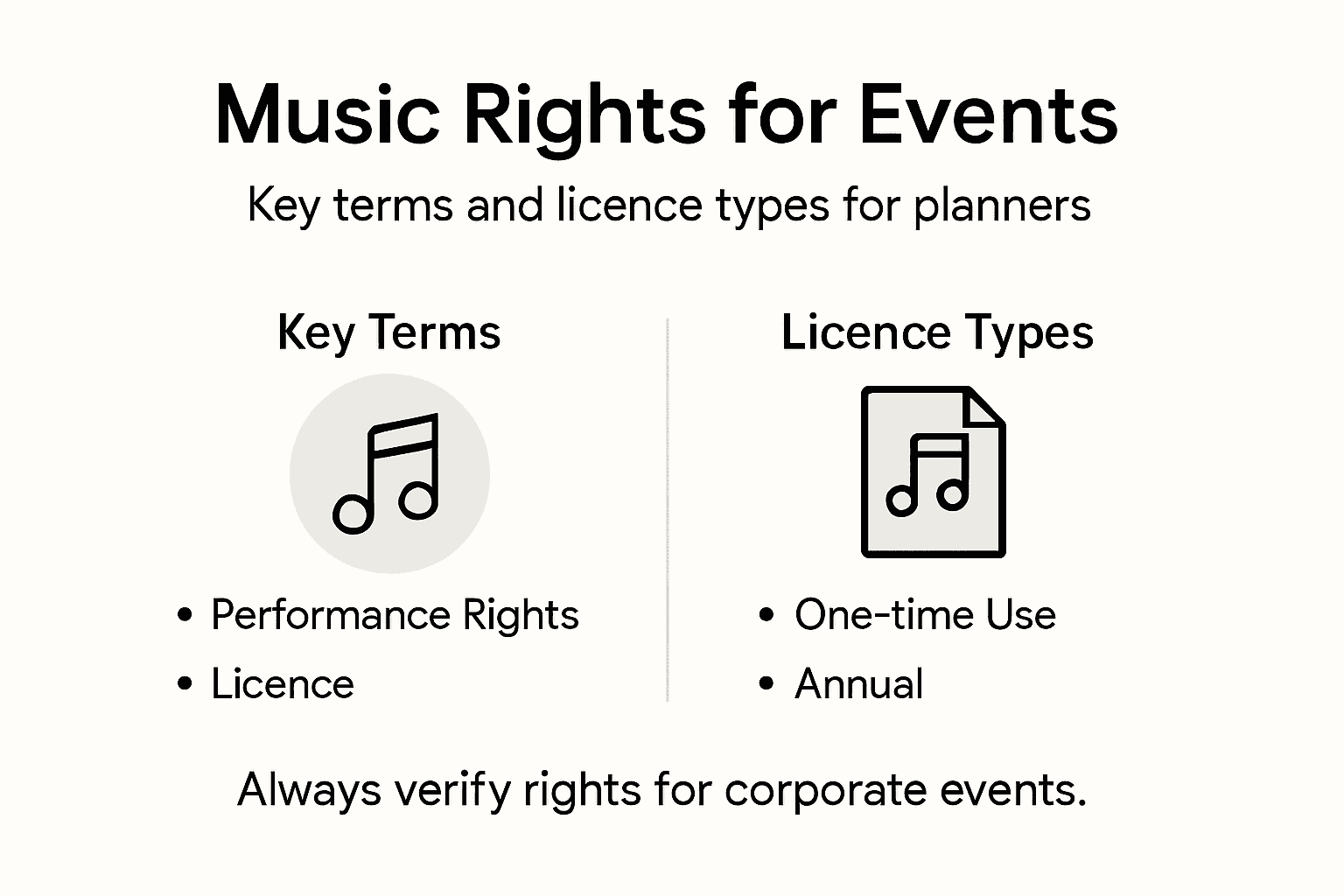
Multi-territorial licensing represents a critical aspect of modern music rights management. European Union directives have streamlined processes for obtaining cross-border music permissions, making it easier for event planners to secure appropriate licences. Corporate events must secure appropriate permissions from collective rights management organisations, which represent musicians’ interests and ensure fair compensation. This involves understanding complex contractual nuances specific to different musical genres and performance formats.
The following table summarises key legal music licence types relevant to corporate events:
| Licence Type | What It Covers | Event Scenario Example |
|---|---|---|
| Performance Rights | Live public performance of music | Band playing at a company gala |
| Mechanical Licensing | Reproduction and distribution rights | Playing recorded music in breaks |
| Synchronisation Licensing | Use of music with visual media | Event video with music soundtrack |
Pro tip: Maintain a comprehensive licensing documentation file for each musical performance, including specific rights agreements and proof of permissions.
Risks and Common Pitfalls to Avoid
Corporate event music planning involves navigating complex challenges that can potentially derail musical performances. Critical event risks demand proactive management and strategic contingency planning to ensure seamless musical experiences. Understanding these potential pitfalls helps event planners mitigate complications before they escalate.
Key risks in event music production include Technical Failures such as sound system malfunctions, Acoustic Limitations of venues, and Performance Inconsistencies. Bavarian-style oompah bands, for instance, require specific stage configurations and sound setups that might be challenging in non-traditional event spaces. Potential issues range from inadequate power supplies to unexpected venue noise restrictions that can compromise musical performance quality.
Financial and logistical risks represent significant challenges for corporate event planners. Unexpected budget overruns, last-minute performer cancellations, and complex technical requirements can create substantial disruptions. Careful contract negotiation, comprehensive technical riders, and robust communication protocols with musical performers are essential strategies for minimising potential complications. Event organisers must develop flexible contingency plans that allow rapid adaptation to unexpected circumstances.
Pro tip: Develop a comprehensive risk assessment checklist specifically tailored to musical performance requirements, including backup equipment and alternative performer arrangements.
Elevate Your Corporate Event Music with Expert Knowledge and Unique Bavarian Flair
Understanding essential event music terminology is crucial when orchestrating flawless corporate functions. Whether you aim to master technical roles like sound engineering or select the perfect live performance format, clarity in communication with your musicians can prevent costly risks and ensure a memorable experience. With concepts like repertoire, backline, and performance rights under your belt, you can confidently curate an atmosphere that resonates with your audience.
Experience how Elmar’s Oompah Band bridges traditional German Oompah music with modern party hits, delivering performances tailored perfectly for corporate events across Europe and beyond. Their versatile setup, offering both unplugged roaming and full amplified stage performances, complements various event formats while addressing acoustic and technical considerations discussed in event music terminology. Learn more about their distinctive approach and technical expertise in our Allgemein – Oompah Band section.
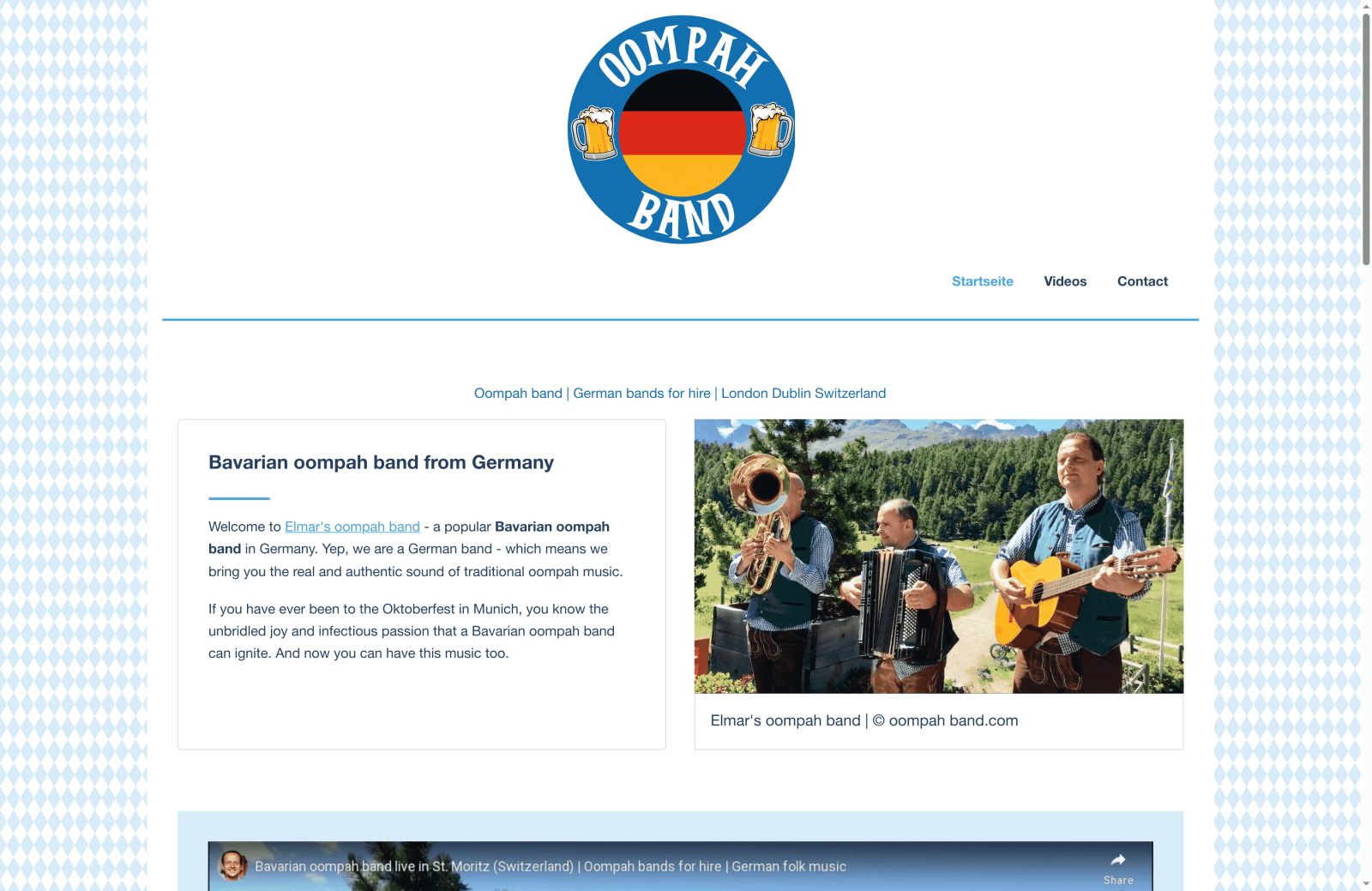
Discover how professional grasp of musical language can transform your corporate event entertainment. Visit Oompah Band now to explore booking options with Elmar’s Oompah Band and ensure your next corporate gathering sings with the perfect blend of culture and energy.
Frequently Asked Questions
What are the key terms to know in event music terminology?
Essential terms include tempo markings (like adagio and allegro), dynamics (pianissimo and fortissimo), repertoire, arrangement, and various instrumental classifications. These terms facilitate clearer communication between event planners and musicians.
How can I select the right musical genre for my corporate event?
Consider the event’s objectives, audience demographics, and corporate culture. Traditional options include jazz or classical for formal settings, whereas lively genres like pop can energise celebrations.
What are the advantages of hiring a live band versus a DJ for corporate events?
Live bands offer interactive and immersive experiences, while DJs provide versatility with extensive song libraries and the ability to adapt to audience preferences quickly. The choice depends on the desired atmosphere and event type.
What legal considerations should I keep in mind for musical performances at my event?
Be aware of Performance Rights, Mechanical Licensing, and Synchronisation Licensing, which govern how music can be used during live performances. Securing the appropriate licenses ensures compliance and protects the rights of music creators.