

Every successful corporate event relies on more than just impressive venues or gourmet catering. The right live band can be the key to transforming an ordinary gathering into a powerful brand moment, energising guests and amplifying your company’s message. For event planners in Germany and the United Kingdom, setting clear entertainment goals is the cornerstone of curating a truly memorable experience. This guide breaks down the essential steps to craft a bespoke, high-impact live music event your colleagues and clients will never forget, beginning with precise event requirements and SMART goals.
Table of Contents
- Step 1: Define Your Event Requirements And Goals
- Step 2: Select The Ideal Live Band For Your Event
- Step 3: Arrange Logistics And Technical Details
- Step 4: Coordinate Performance Schedules And Breaks
- Step 5: Verify Setup And Manage The Event Flow
Quick Summary
| Key Point | Explanation |
|---|---|
| 1. Define your event goals | Establish clear event objectives using the SMART framework to guide your planning and decision-making. |
| 2. Select a versatile live band | Choose a band that can adapt to your event’s theme, ensuring they engage your audience effectively. |
| 3. Prepare technical logistics | Ensure a detailed technical specification document is ready to facilitate smooth communication and setup with the band’s crew. |
| 4. Create a performance schedule | Develop a precise performance schedule, including set durations and break intervals, to maintain the event’s flow. |
| 5. Verify event setup thoroughly | Conduct sound checks and confirm all equipment functionality to ensure a polished, professional performance during the event. |
Step 1: Define your event requirements and goals
Successfully organising live band entertainment begins with crystal-clear goal setting. Your event objectives will serve as the strategic compass that guides every subsequent decision about your musical performance.
To establish robust event requirements, start by defining precise objectives using the SMART framework. This means crafting goals that are specific, measurable, attainable, realistic, and time-bound. Consider the fundamental questions that will shape your entertainment strategy:
- What is the primary purpose of your event?
- Who is your target audience?
- What musical style or atmosphere do you want to create?
- What budget constraints exist?
- What venue characteristics are essential?
Your goals might range from corporate team building to product launch entertainment, fundraising, or creating a memorable company celebration. Each objective will dramatically influence your band selection, performance style, and overall event design.
Your event goals are the strategic blueprint that transforms a standard performance into an extraordinary experience.
Carefully document these requirements in a detailed brief that you can share with potential band entertainment providers. This ensures clear communication and helps musicians understand exactly what you need.
Pro tip: Create a prioritised list of your event requirements, ranking them from most critical to nice-to-have, which will help you make swift decisions during the planning process.
Step 2: Select the ideal live band for your event
Selecting the perfect live band requires strategic consideration and a nuanced understanding of your event’s unique requirements. Your musical entertainment can transform an ordinary gathering into an extraordinary experience that resonates with your audience.
Choosing the perfect live band involves carefully evaluating several critical factors that will determine the success of your event’s musical performance. Consider these essential elements:
- Event type and formality: Corporate gala, product launch, team-building session
- Audience demographic: Age range, musical preferences, cultural background
- Venue characteristics: Stage size, acoustic properties, sound system capabilities
- Musical style and repertoire: Band’s genre flexibility and performance range
- Budget constraints: Performance fees, additional equipment requirements
Prioritise bands that demonstrate versatility and can adapt their performance to match your specific event atmosphere. A professional band should offer:
- Extensive musical repertoire
- High-quality sound equipment
- Professional stage presence
- Ability to read and engage with the audience
The right live band does more than play music – they create an immersive experience that reflects your event’s unique character.
Carefully review potential bands’ previous performances, request demo recordings, and discuss customisation options to ensure a perfect musical fit for your corporate event.
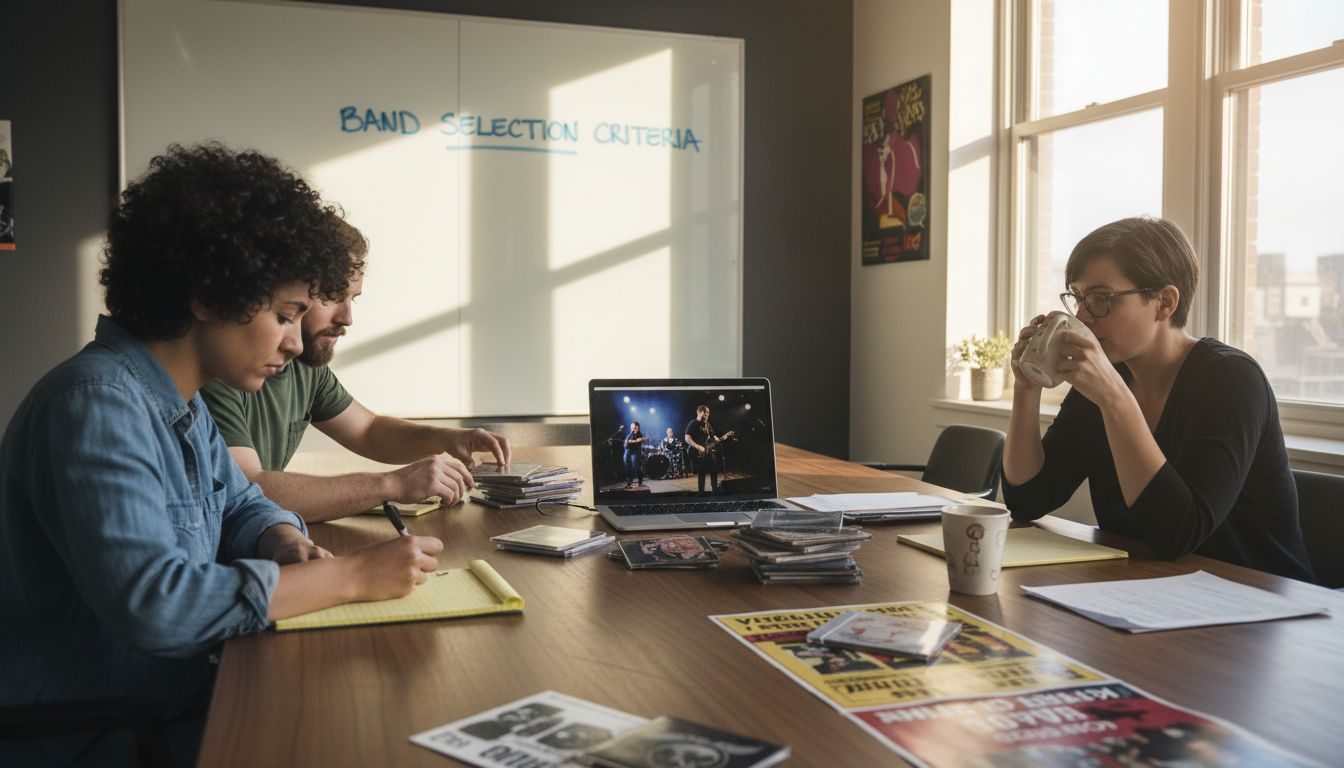
Here’s a quick comparison of key factors to consider when selecting a live band for your event:
| Factor | Why It Matters | Example Impacts |
|---|---|---|
| Musical versatility | Ensures the band can suit your event theme | Greater audience engagement |
| Stage presence | Enhances guest experience visually | Memorable event moments |
| Equipment quality | Reduces risk of technical issues | Clear, professional sound |
| Audience interaction | Keeps attendees energised | Encourages dancing and participation |
| Customisation options | Matches your company’s branding or goals | Unique event atmosphere |
Pro tip: Request live performance videos and references from previous corporate events to gain authentic insights into a band’s real-world performance capabilities.
Step 3: Arrange logistics and technical details
Successfully coordinating live band logistics requires meticulous planning and a comprehensive understanding of both technical and operational requirements. Your goal is to create a seamless musical experience that runs without unexpected interruptions.
Event logistics planning involves a complex choreography of technical preparations and venue considerations. Critical elements you must address include:
- Sound equipment requirements: Mixing boards, microphones, speakers
- Stage setup specifications: Electrical needs, performance space dimensions
- Technical rider details: Band’s specific equipment and space requirements
- Venue infrastructure: Power sources, acoustics, backstage facilities
- Backup contingency plans: Alternative equipment, emergency contacts
Prepare a detailed technical specification document that outlines every requirement, ensuring smooth communication between your event team and the band’s technical crew. This document should comprehensively cover:
- Precise stage layout
- Complete sound system specifications
- Electrical power requirements
- Performance timeline
- Load-in and setup instructions
Exceptional event logistics transform potential technical challenges into a polished, professional performance.
Ensure direct communication channels with the band’s technical manager to resolve any potential issues before the event date. Collaborative planning prevents last-minute complications and ensures a professional musical experience.
Pro tip: Create a shared digital folder with all technical documents and specifications, allowing instant access and collaboration between your event team and the band’s technical crew.
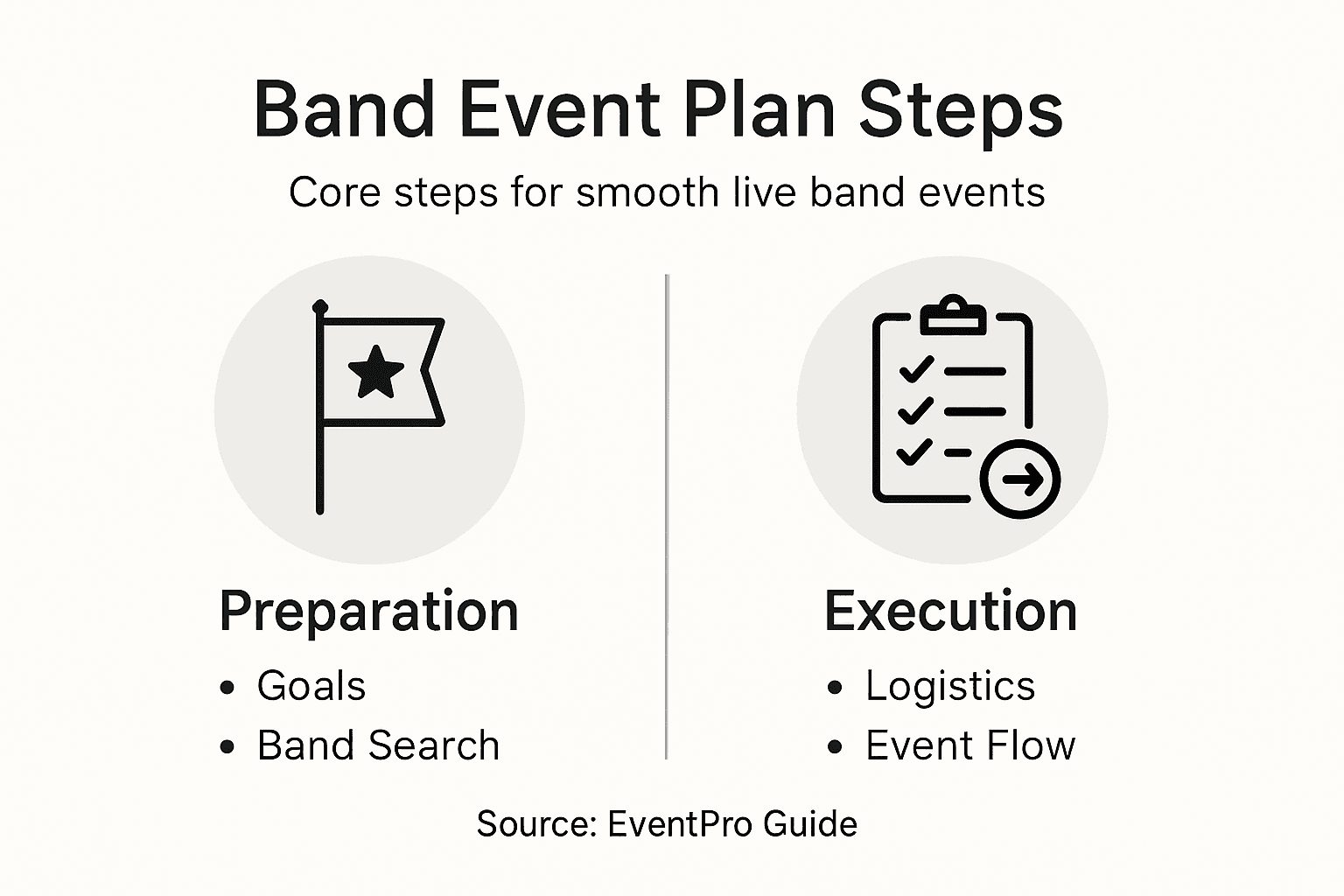
Step 4: Coordinate performance schedules and breaks
Managing a live band’s performance schedule requires precision, strategic planning, and clear communication to ensure a seamless musical experience. Your goal is to create a harmonious balance between musical performance and necessary rest periods.
Band schedule coordination involves careful timing and thoughtful logistics to maintain energy and performance quality throughout your event. Consider these essential scheduling elements:
- Performance set duration: Typically 45-60 minute sets
- Break intervals: 15-20 minute rest periods between sets
- Overall event timeline: Total performance hours
- Sound check requirements: Pre-performance setup time
- Equipment transition periods: Time for stage reset
Develop a comprehensive performance schedule that outlines precise timings, including:
- Exact start and end times for each musical set
- Designated break intervals
- Transition periods for equipment and stage management
- Contingency time for potential delays
- Coordination with event MC or host
Exceptional schedule management transforms a potentially chaotic event into a smoothly orchestrated musical experience.
Maintain open communication channels with the band’s management to ensure everyone understands the performance expectations and timeline. Flexibility and clear expectations are key to a successful event.
Pro tip: Create a digital shared calendar with detailed performance schedules to eliminate miscommunication and provide real-time updates for all team members.
Step 5: Verify setup and manage the event flow
Successfully executing a live band performance requires meticulous attention to detail and real-time event management. Your ultimate goal is to create a seamless, professional musical experience that runs with precision and minimal disruption.
Event setup and management demands comprehensive verification and strategic oversight of every technical and logistical element. Critical aspects you must carefully monitor include:
- Sound system functionality: Microphone levels, speaker placement
- Stage readiness: Equipment positioning, instrument setup
- Performance area preparation: Lighting, stage layout
- Technical contingency plans: Backup equipment availability
- Communication channels: Coordination between technical crew
Implement a systematic event verification process that involves:
- Conducting thorough sound checks before event start
- Confirming all technical equipment is operational
- Establishing clear communication protocols
- Creating real-time troubleshooting strategies
- Maintaining constant interaction with band and technical team
Exceptional event management transforms potential technical challenges into a smooth, professional performance.
Remain vigilant and adaptable during the event, ready to address any unexpected issues swiftly and professionally. Your proactive approach will ensure a high-quality musical experience for all attendees.
The following table summarises the essential documents and schedules for smooth event execution:
| Item | Purpose | Who Uses It |
|---|---|---|
| Event brief | Outlines objectives and requirements | Event planners, band manager |
| Technical specifications | Details all technical needs | Band’s crew, venue staff |
| Performance schedule | Provides set and break timings | Performers, event host |
| Troubleshooting guide | Prepares for unexpected issues | Technical liaison, on-site staff |
| Shared calendar | Offers real-time updates | Entire event team |
Pro tip: Designate a dedicated technical liaison who can quickly resolve any equipment or performance-related challenges during the event.
Elevate Your Corporate Event with Authentic Live Oompah Entertainment
Organising live band entertainment for events involves meticulous planning, from defining clear objectives to coordinating technical details and schedules. If your goal is to create an energetic and memorable atmosphere that stands out with genuine cultural flair, consider the unique offerings of Elmar’s Oompah Band. Known for blending traditional Bavarian polkas, waltzes, and yodelling with international party hits, this group delivers versatile performances that adapt perfectly to corporate settings across Europe and the Arabian Peninsula.
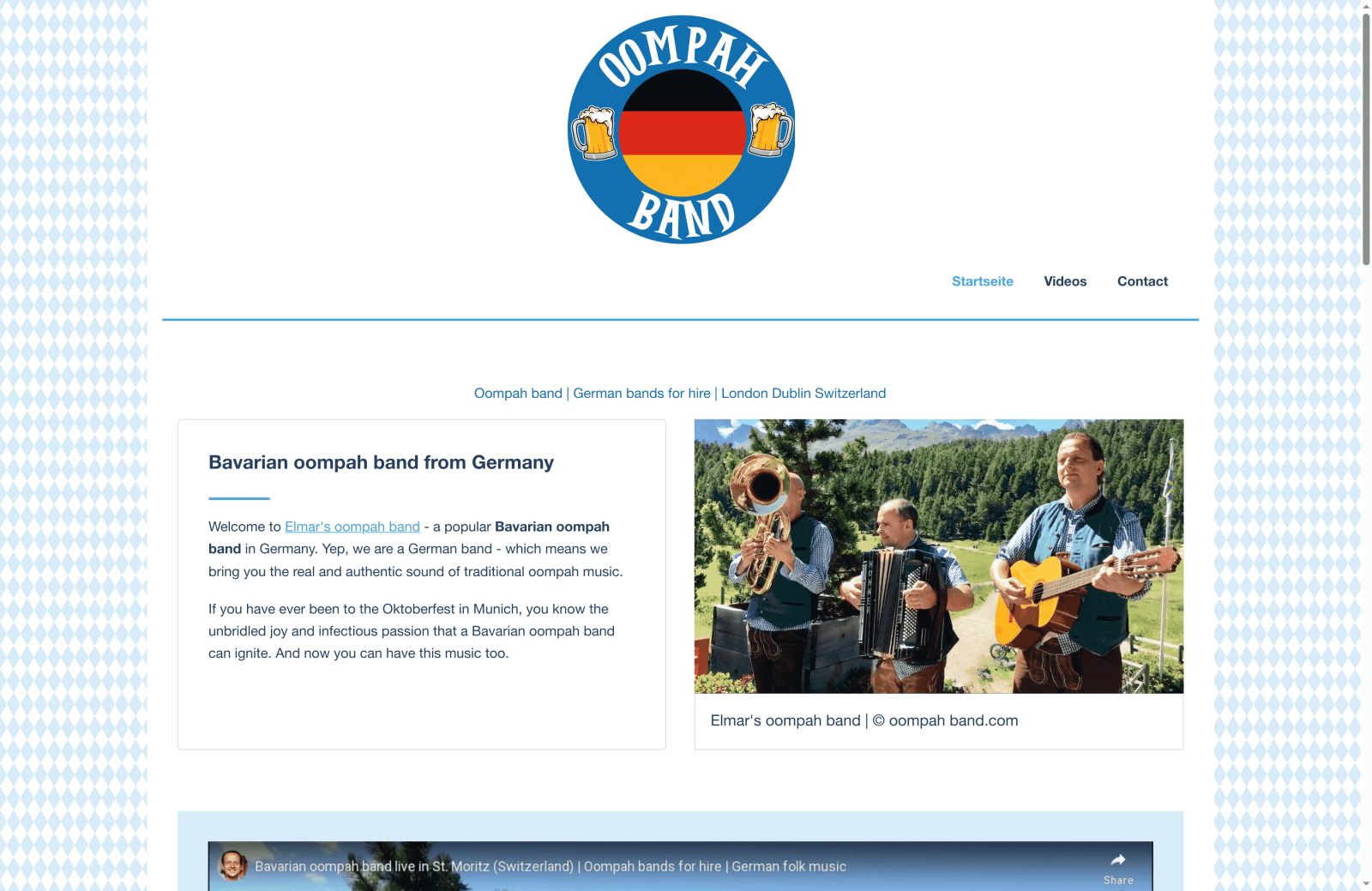
Discover how partnering with a professional live band that combines musical versatility, engaging stage presence, and smooth logistical support can transform your event. Visit Allgemein – Oompah Band to explore their performance style and recent projects. Ready to enrich your next corporate gathering with authentic Bavarian sound and professional execution? Learn more about Elmar’s Oompah Band and start planning an unforgettable musical experience today.
Frequently Asked Questions
How do I define event requirements for live band entertainment?
To define event requirements for live band entertainment, start by setting clear objectives using the SMART framework. Document your goals, such as the event’s purpose and budget constraints, to ensure effective communication with potential bands.
What factors should I consider when selecting a live band for my event?
When selecting a live band, consider factors like the event type, audience demographics, venue characteristics, and the band’s musical style. Evaluate their versatility and ability to engage with your audience to find the right fit for your event.
How do I arrange logistics and technical details for a live band’s performance?
To arrange logistics, create a detailed technical specification document covering sound equipment, stage setup, and power requirements. Ensure clear communication with the band’s technical crew to facilitate a successful setup and avoid any unexpected disruptions.
What is the best way to coordinate a live band’s performance schedule?
To coordinate a live band’s performance schedule, develop a comprehensive timeline that includes set durations, break intervals, and sound check requirements. Share this schedule with the band and your event team to ensure everyone is aligned and aware of timing.
How can I verify the setup and manage the event flow during the performance?
To verify the setup and manage the event flow, conduct thorough sound checks, confirm all equipment is operational, and establish clear communication protocols. Stay proactive and ready to address any technical issues promptly to ensure a smooth musical experience for all attendees.