

Setting up an Oompah band for your corporate event should create memorable moments, not technical nightmares. Many event planners face sound feedback, cramped stages, and permit complications that derail otherwise excellent performances. This comprehensive guide walks you through every setup step to ensure your Bavarian entertainment runs flawlessly, from initial venue planning to final soundcheck.
Table of Contents
- Introduction To Oompah Band Setup For Corporate Events
- Pre-event Prerequisites For Successful Oompah Band Setup
- Equipment And Sound Setup Best Practices
- Stage Setup And Logistics Coordination
- Common Mistakes And Troubleshooting Tips
- Performance Flow And Audience Engagement Strategies
- Expected Timelines, Costs, And Outcomes
- Safety And Compliance Considerations
- Discover Expert Oompah Band Solutions For Your Corporate Event
Key Takeaways
| Point | Details |
|---|---|
| Early booking secures success | Book 3 to 6 months ahead to guarantee availability and coordinate logistics smoothly |
| Space matters critically | Allocate minimum 20 to 30 square metres of stage area to avoid cramped performer conditions |
| Soundchecks prevent failures | Thorough testing reduces feedback problems by up to 25 percent in live setups |
| Maintain energy during breaks | DJ services or playlists during 15 to 20 minute intervals keep guests engaged |
| Legal compliance protects events | Securing noise permits and adhering to local limits prevents fines or shutdowns |
Introduction to Oompah Band Setup for Corporate Events
Oompah bands deliver authentic Bavarian entertainment that transforms corporate gatherings into lively cultural experiences. These ensembles traditionally feature brass instruments, accordions, and energetic vocals performing polkas, waltzes, and yodelling. Modern groups like Elmar’s Oompah Band blend these classics with international party hits to appeal to diverse audiences across Europe and the Arabian Peninsula.
Corporate events ranging from product launches to annual celebrations increasingly choose Oompah performances for their unique cultural appeal. Understanding the key reasons to choose Oompah music helps planners appreciate why proper setup matters. The immersive atmosphere depends entirely on professional sound delivery and stage presentation. Many planners mistakenly assume casual setup suffices, but authentic performances require careful technical planning.
Professional setup ensures audience engagement remains high throughout the event. Bavarian cultural authenticity creates memorable experiences that casual arrangements simply cannot match. Poor setup leads to muffled sound, performer discomfort, and disappointed guests. Your investment in quality entertainment deserves equally quality execution.
Common misconceptions include:
- Assuming unplugged performances need no technical preparation
- Underestimating space requirements for traditional instruments
- Believing soundchecks are optional luxuries rather than necessities
- Overlooking permit requirements for amplified outdoor events
Pre-event Prerequisites for Successful Oompah Band Setup
Successful Oompah band performances begin weeks before the actual event date. Your preparation timeline directly impacts setup smoothness and performance quality. Booking lead times of 3 to 6 months are critical to ensure availability and allow for logistics planning. This advance notice lets you coordinate venue details, secure necessary permits, and arrange proper equipment.
Venue requirements form the foundation of successful setup. Allocate minimum 20 to 30 square metres of stage space to accommodate band members comfortably with their instruments. Cramped conditions affect performance quality and create safety hazards. Verify electrical power access for amplified setups, ensuring circuits can handle PA system demands without overloading. Check that load-in access accommodates equipment transport without stairs or narrow doorways.
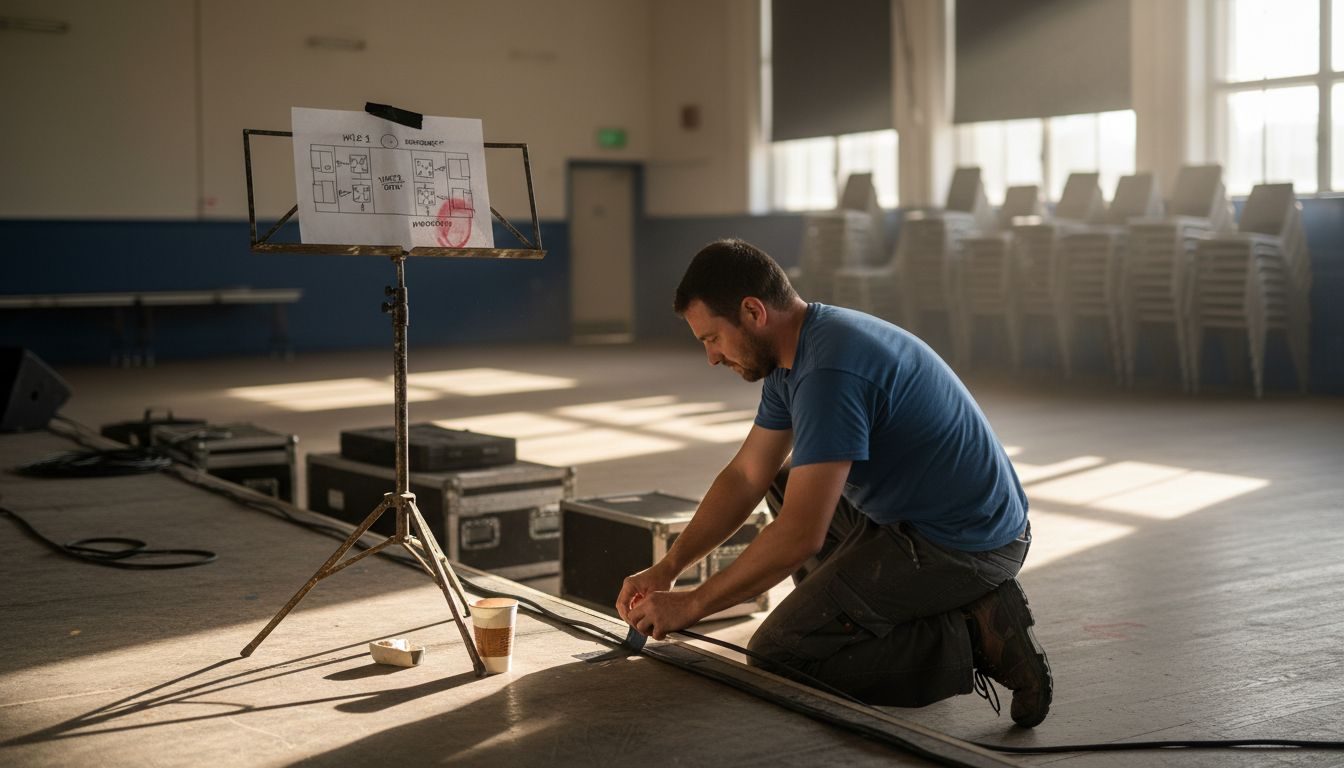
Permit compliance protects your event investment from costly disruptions. Research local noise regulations early in planning to understand decibel limits and curfew times. Submit permit applications at least 6 to 8 weeks before your event date. Many European venues enforce strict band booking tips in Europe regarding amplified music that require official approvals.
Weather contingencies matter for outdoor corporate events. Develop backup plans including covered stage areas or indoor alternatives. Rain, wind, and extreme temperatures damage instruments and compromise sound quality. Designate onsite personnel to manage setup coordination, troubleshoot issues, and liaise between venue staff and performers.
Pro Tip: Create a detailed venue diagram showing stage placement, power outlet locations, and guest seating areas. Share this with your band coordinator at least 4 weeks before the event to identify potential issues early. This simple step prevents day-of surprises that delay setup and stress everyone involved.
Learning how to organize a Bavarian theme party provides additional context for comprehensive event planning beyond just band setup.
Equipment and Sound Setup Best Practices
Sound quality determines whether your Oompah performance captivates guests or falls flat. Understanding equipment differences helps you make informed decisions. Unplugged performances suit intimate gatherings under 50 people in acoustic-friendly spaces. Amplified setups become essential for audiences exceeding 100 guests or venues with poor natural acoustics.
Professional PA systems for corporate Oompah events typically include active speakers rated for your venue size, mixing consoles with multiple channels, and quality microphones for vocals and instruments. For 200 to 300 guests, specify systems delivering 2000 to 3000 watts total output. Active speakers simplify setup by including built-in amplifiers, reducing cable complexity and potential failure points.
Follow this equipment setup checklist:
- Position main speakers on stands flanking the stage, angled toward audience centre
- Connect mixing console to power and test all channels systematically
- Place vocal microphones on stands at appropriate heights for performers
- Run instrument direct input lines to mixer, securing cables with tape
- Set up monitor speakers facing performers for stage sound
- Test each input channel individually before full soundcheck
- Adjust equalizer settings to eliminate frequency conflicts
- Walk the venue during soundcheck to identify dead spots
Insufficient soundchecks cause feedback or poor clarity in 15 to 25 percent of live event setups. Schedule minimum 60 minutes for comprehensive testing before guests arrive. Start with individual instruments, then add vocals, finally running full band rehearsal. This systematic approach identifies problems before they ruin your event.
| Equipment Type | Recommended Specs | Purpose |
|---|---|---|
| Active Speakers | 1000W per side, 12-inch woofer | Main audience sound delivery |
| Mixing Console | 16 to 24 channels, digital preferred | Sound balance and effects control |
| Vocal Mics | Cardioid dynamic, Shure SM58 equivalent | Clear vocal reproduction |
| Monitor Speakers | 500W, floor wedge style | Performer stage sound |
Pro Tip: Request your band provide technical specifications 2 weeks before the event. Many professional groups like Elmar’s Oompah Band supply their own equipment but need venue power details. This advance communication prevents compatibility issues and ensures smooth setup.
When choosing performers with proper sound setups, prioritize bands offering complete technical packages including mixing engineers.
Stage Setup and Logistics Coordination
Stage layout dramatically impacts both performance quality and audience experience. Traditional Bierkeller seating arrangements create authentic Bavarian atmosphere by placing guests at long communal tables facing the stage. This setup encourages interaction between attendees and performers, essential for lively Oompah entertainment. Clear stage areas without obstructions allow performers to move freely, enhancing visual engagement.
Space requirements extend beyond minimum square metreage. Position band members in a semicircle or straight line depending on stage depth, ensuring each performer has clear sightlines to others for musical coordination. Allocate 2 to 3 square metres per musician for instrument space and movement. Leave minimum 1.5-metre clearance between stage edge and front row seating for safety and performer access.
Coordination among stage crew prevents setup delays and equipment damage. Designate one person as setup coordinator who directs instrument placement, cable routing, and microphone positioning. This single point of contact eliminates conflicting instructions that confuse volunteers or venue staff. Create a stage plot diagram showing exact placement for drums, brass section, and vocal positions.
Seating arrangement comparison:
| Layout Style | Best For | Atmosphere Impact |
|---|---|---|
| Bierkeller (long tables) | 100 to 300 guests | Highly interactive, authentic Bavarian feel |
| Theatre (rows facing stage) | 300 plus guests | Focused attention, formal presentation |
| Cabaret (small round tables) | 50 to 150 guests | Intimate, conversational, mixed focus |
Stage crew responsibilities include securing cables with gaffer tape to prevent tripping hazards, positioning stage lights to illuminate performers without blinding them, and keeping backstage areas organized for quick instrument changes. Test all equipment connections after physical setup completes but before soundcheck begins.
Bavarian seating and stage setup tips provide additional cultural context for authentic event design that complements your band setup.
Common Mistakes and Troubleshooting Tips
Frequent setup errors compromise even well-planned events. Insufficient soundchecks leading to feedback account for 15 to 25 percent of live audio failures. Rushing through testing or skipping it entirely creates problems that embarrass planners and frustrate guests. Allocate proper time and resist pressure to cut soundcheck short, regardless of tight schedules.
Permit negligence represents another critical failure point. Neglecting venue permit requirements can cause event shutdown or substantial fines. Many European municipalities enforce strict noise ordinances, particularly for outdoor or late-evening events. Submit applications early and confirm approval status one week before your event date. Keep permit documentation onsite during the performance.
Underestimating stage space creates cramped conditions that degrade performance quality. Performers packed too tightly struggle with instrument movement and coordination. This leads to missed cues, poor sound balance, and visible performer frustration. Always measure available space and compare against band requirements before confirming venue selection.
Energy drops during band breaks kill event momentum. Failing to arrange DJ services or curated playlists creates awkward silent periods where guests disengage or leave early. Professional bands often include break music services, but confirm this explicitly during booking. The continuity maintains atmosphere and keeps guests entertained throughout your event.
Securing proper noise permits and adhering to local sound ordinances protects your event investment. Violations can result in immediate shutdown orders and fines ranging from 500 to 5000 euros depending on jurisdiction. Always verify requirements with local authorities at least 8 weeks before your event date.
Practical troubleshooting tips:
- Schedule two separate soundcheck sessions if equipment arrives hours before doors open
- Keep backup cables, batteries, and microphones easily accessible during performance
- Assign one staff member to monitor sound quality from audience perspective throughout event
- Maintain direct communication channel with band leader for real-time adjustments
Pro Tip: Create a setup emergency kit containing duct tape, cable ties, spare batteries, basic tools, and contact information for local equipment rental companies. This simple preparation resolves minor crises that otherwise derail your carefully planned event.
Reviewing how to avoid common booking mistakes helps prevent issues before they reach setup stage.
Performance Flow and Audience Engagement Strategies
Managing performance timing maintains guest energy throughout your event. Typical band break intervals of 15 to 20 minutes occur every 45 to 60 minutes of continuous performance. These breaks allow performers to rest while preventing audience fatigue from continuous high-energy entertainment. Strategic break management turns potential energy dips into opportunities for guest networking and refreshment.
DJ services or curated playlists during intermissions sustain atmosphere seamlessly. Professional Oompah bands like Elmar’s group often include DJ capabilities, mixing Bavarian tracks with international hits during breaks. This continuity keeps guests engaged rather than checking phones or leaving the venue. Coordinate playlist selections with band repertoire to create cohesive musical flow.
Audience interaction strategies enhance engagement beyond just listening. Encourage performers to invite guests onto the dance floor during specific songs, creating participatory moments that become event highlights. Traditional Bavarian call-and-response songs work particularly well for corporate audiences unfamiliar with Oompah traditions. Brief performers on company culture to personalize interactions appropriately.
Smooth transitions between live and recorded music require coordination. Test DJ equipment during soundcheck to ensure volume levels match live performance output. Sudden volume changes between sets jar guests and damage atmosphere. Designate one person to manage transitions, fading recorded music as performers return to stage.
Engagement impacts extend beyond immediate entertainment value. High-energy performances with seamless flow create memorable experiences that strengthen team bonds and enhance company culture. Guests discuss these events long after, amplifying your investment’s return through positive word-of-mouth and improved employee satisfaction.
Understanding music continuity and audience engagement provides cultural context for maximizing your Oompah band’s impact on corporate audiences.
Expected Timelines, Costs, and Outcomes
Realistic planning requires understanding time and budget parameters. Typical event duration including setup ranges from 1.5 to 2 hours for load-in, soundcheck, and equipment testing before guests arrive. Performance time varies based on event format, typically 2 to 4 hours including breaks. Factor additional 45 to 60 minutes for teardown and load-out when scheduling venue access.
Budget ranges vary significantly based on region, band size, and service scope. European corporate Oompah band bookings typically cost between 2000 and 6000 euros for standard 3-hour performances. Arabian Peninsula events may command premium pricing due to travel logistics and cultural specialization. Amplified setups with full sound systems cost more than unplugged performances but deliver superior quality for larger audiences.
Guest engagement metrics demonstrate return on investment. Post-event surveys consistently show 85 to 95 percent satisfaction rates for professionally executed Oompah entertainment at corporate events. This high approval stems from cultural novelty, energetic performance style, and interactive elements that distinguish Oompah from generic corporate entertainment options.
| Event Size | Setup Time | Performance Duration | Budget Range (EUR) | Expected Satisfaction |
|---|---|---|---|---|
| 50 to 100 guests | 1 to 1.5 hours | 2 hours | 2000 to 3500 | 85 to 90 percent |
| 100 to 200 guests | 1.5 to 2 hours | 3 hours | 3500 to 5000 | 90 to 95 percent |
| 200 plus guests | 2 to 2.5 hours | 3 to 4 hours | 5000 to 8000 | 90 to 95 percent |
Qualitative benefits extend beyond measurable satisfaction scores. Authentic Bavarian entertainment creates shared cultural experiences that strengthen team cohesion. Unique entertainment choices demonstrate company investment in employee appreciation, improving morale and retention. The memorable nature of Oompah performances generates organic social media content as guests share photos and videos, amplifying brand visibility.
Return on investment calculations should consider both direct costs and intangible benefits. While premium entertainment represents significant upfront expense, the lasting positive impact on company culture and employee satisfaction justifies the investment for most corporate clients.
Exploring the benefits of live Oompah music helps quantify these advantages when building business cases for event budgets.
Safety and Compliance Considerations
Legal compliance protects your event from costly disruptions and liability issues. Central European venues typically enforce an 85 dB noise limit for amplified entertainment, though specific thresholds vary by municipality. Exceeding permitted levels triggers complaints, fines, or immediate shutdown orders. Invest in decibel meters to monitor levels throughout your event, making real-time adjustments as needed.
Permit acquisition processes vary across regions but generally require applications 4 to 8 weeks before event dates. Submit detailed information including venue address, expected attendance, equipment specifications, and proposed sound levels. Many jurisdictions require proof of liability insurance covering noise complaints and property damage. Budget 200 to 500 euros for permit fees depending on location and event scale.
Non-compliance consequences extend beyond immediate fines. Repeated violations can result in venue bans, company reputation damage, and personal liability for event planners. Some municipalities maintain public databases of noise violations that potential clients research when evaluating vendors. Protecting your professional reputation requires strict adherence to all legal requirements.
Risk mitigation best practices include:
- Conducting pre-event site inspections to identify hazards
- Securing all cables and equipment to prevent tripping injuries
- Maintaining clear emergency exit paths throughout venue
- Training staff on equipment shutdown procedures for emergencies
- Keeping fire extinguishers accessible near electrical equipment
Legal compliance is not optional. A single noise violation can shut down your event immediately, wasting your entire entertainment investment and damaging company reputation. Always secure required permits, respect sound level limits, and maintain comprehensive liability insurance. The modest upfront cost of compliance prevents catastrophic event failures.
Equipment handling safety matters as much as noise compliance. Heavy speaker systems require proper lifting techniques and stable mounting to prevent injuries. Electrical connections must use grounded outlets and avoid daisy-chaining power strips that create fire hazards. Professional bands provide their own safety-certified equipment, but venue electrical systems need inspection before load-in begins.
Understanding noise regulations and compliance specific to German corporate events helps navigate complex legal landscapes effectively.
Discover Expert Oompah Band Solutions for Your Corporate Event
Implementing these setup guidelines requires significant coordination and expertise. Professional Oompah bands specializing in corporate events streamline the entire process, bringing years of experience to your venue. Groups like Elmar’s Oompah Band handle technical setup, sound engineering, and performance flow management, letting you focus on other event elements.
Experienced performers understand regional differences across Europe and the Arabian Peninsula, adapting their setups to local regulations and cultural expectations. Their comprehensive service offerings typically include sound system provision, stage coordination, DJ services during breaks, and liability insurance coverage. This turnkey approach eliminates the complexity of managing multiple vendors and technical specialists.
When you book professional Oompah bands, you gain access to performers who deliver authentic Bavarian experiences while meeting modern corporate entertainment standards. Their expertise in choosing the right performers for your specific event type ensures cultural authenticity without sacrificing professional execution. This combination creates memorable events that achieve your engagement and cultural objectives.
FAQ
What are the essential space requirements for an Oompah band at a corporate event?
Minimum stage area of 20 to 30 square metres accommodates the band and equipment comfortably. Adequate audience spacing ensures safety and allows performer interaction. Always measure your venue and confirm space availability with the band before booking.
How can I prevent sound feedback issues during an Oompah band performance?
Schedule thorough soundchecks for all microphones and speakers before guests arrive. Use professional PA systems and mixers suited for your venue size. Maintain clear stage areas to minimize acoustic interference, and keep backup equipment accessible for quick replacements.
What legal permits are required for amplified Oompah band setups in Europe?
Noise permits complying with local ordinances are essential, commonly limiting levels around 85 decibels. Prior approval from venue management and local authorities prevents legal issues. Penalties for non-compliance include substantial fines ranging from 500 to 5000 euros or immediate event shutdown.
How far in advance should I book an Oompah band for my corporate event?
Book 3 to 6 months ahead to secure availability and coordinate logistics effectively. This timeline allows proper venue preparation, permit acquisition, and technical planning. Last-minute bookings limit options and increase stress for everyone involved.
What happens during band breaks and how do I maintain event energy?
Typical breaks last 15 to 20 minutes every 45 to 60 minutes of performance. Professional bands often provide DJ services or curated playlists during these intervals. This continuity maintains atmosphere and keeps guests engaged rather than leaving or losing interest.