

Securing the ideal entertainment can turn your next corporate function from routine to unforgettable. For event planners at multinational organisations across Germany and neighbouring regions, choosing performers who reflect both energy and cultural depth is more than a luxury—it supports stronger business relationships and elevates brand standing. With audiences often spanning several countries and backgrounds, careful planning to match entertainment with clear event objectives is what sets exceptional events apart. Defining clear event objectives ensures every performer you consider directly supports your company’s broader goals.
Table of Contents
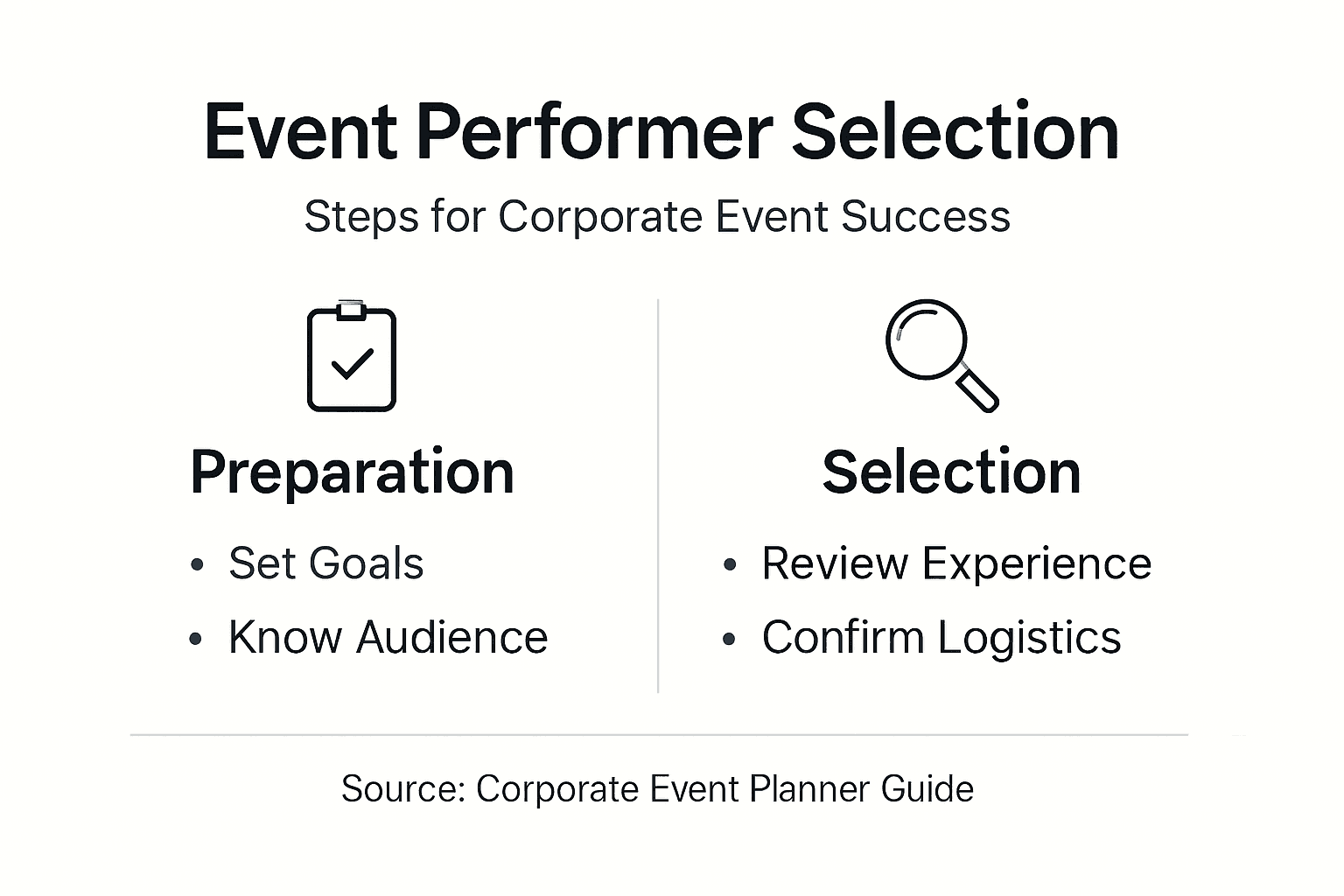
- Step 1: Define Your Event Goals And Entertainment Needs
- Step 2: Shortlist Performers Matching Your Criteria
- Step 3: Assess Performers’ Experience And Client Feedback
- Step 4: Verify Technical Requirements And Logistical Fit
- Step 5: Confirm Booking And Performance Details
Quick Summary
| Main Insight | Detailed Explanation |
|---|---|
| 1. Clearly Define Event Objectives | Establishing specific goals is crucial for selecting appropriate entertainment that aligns with corporate strategy and enhances event impact. |
| 2. Identify Target Audience Preferences | Understanding your audience’s demographics and interests will guide your choice of entertainment, ensuring it resonates well. |
| 3. Set Selection Criteria for Performers | Develop clear evaluation criteria based on your event goals to effectively shortlist performers who match your needs. |
| 4. Assess Feedback on Performers | Collect and analyse references from previous clients to understand performers’ reliability and audience engagement capabilities. |
| 5. Communicate Technical Requirements Clearly | Ensure thorough discussions about technical needs and logistical fits to prevent issues and guarantee a smooth event execution. |
Step 1: Define your event goals and entertainment needs
Before you book a single performer, you need to understand precisely what your event should achieve. This foundational step shapes every decision that follows, from the type of entertainment you select to how the entire experience unfolds.
Start by clarifying your core purpose. Are you building brand recognition, strengthening client relationships, celebrating a company milestone, or boosting employee morale? Each objective demands different entertainment. A product launch requires high-energy performances that capture attention and generate buzz. A client appreciation evening might benefit from sophisticated, background entertainment that encourages conversation. An annual awards ceremony calls for entertainment that amplifies the celebratory mood.
Defining clear event objectives/Version-2/A5320107.html) ensures your entertainment choice supports your broader corporate strategy rather than working against it. When entertainment aligns with your goals, it strengthens your event’s impact and contributes measurably to success.
Next, identify your target audience. Who will attend? Are they senior executives, mid-level managers, diverse staff across departments, or a mix including external clients? Multinational companies in Germany often host events with attendees from multiple countries and cultural backgrounds. Understanding this diversity shapes your entertainment preferences significantly.
Consider what would genuinely engage your specific audience:
- Corporate professionals seeking refined, memorable experiences rather than simple background music
- International guests who appreciate authentic cultural entertainment alongside contemporary appeal
- Teams wanting to feel energised and unified, not passive observers
- Clients wanting to feel valued and entertained in a sophisticated setting
Key planning questions include asking what kind of event you’re hosting, why you’re hosting it, and who needs to be impressed or engaged. These answers directly inform entertainment choices. A live band offering traditional entertainment with contemporary energy works exceptionally well when your audience wants authenticity combined with professional polish.
Think about the atmosphere you want to create. Should your event feel celebratory and high-energy, intimate and conversational, or somewhere between? Entertainment that provides infectious energy and authentic cultural flavour works brilliantly for corporate functions seeking something distinctive.
Clear goal-setting is essential for effective event management and ensuring the event contributes to corporate success.
Now map your entertainment needs against your goals. Rather than simply booking performers because they’re available, select entertainment that directly supports what you’re trying to achieve. If you want attendees mingling and conversing, choose entertainment that encourages interaction rather than demanding silent attention. If you want impact and memorability, select performers who deliver distinctive, high-quality performances.
Here is a summary of how different event goals influence your entertainment selection:
| Event Goal | Suitable Entertainment Style | Audience Outcome |
|---|---|---|
| Brand recognition | High-energy, memorable acts | Strong brand association |
| Client appreciation | Sophisticated, ambient | Enhanced client engagement |
| Company milestone | Celebratory, unique acts | Heightened staff morale |
| Team building | Interactive performances | Strengthened team spirit |
Professional tip: Write down your event goals, target audience preferences, and desired atmosphere before exploring entertainment options. When you meet with potential performers, you’ll ask sharper questions and recognise immediately whether their offering matches your specific needs.
Step 2: Shortlist performers matching your criteria
Now that you’ve clarified what your event needs to achieve, it’s time to identify performers who genuinely fit those requirements. This step narrows your options from countless possibilities down to a focused group worth serious consideration.

Start by establishing your decision criteria. These become your filtering system for evaluating potential performers. Your criteria should reflect what matters most for your specific event, based on the goals and audience you defined earlier.
Key criteria to establish include:
- Musical style and repertoire that matches your event theme and audience expectations
- Proven experience performing at similar corporate events
- Technical capabilities that fit your venue and setup requirements
- Reputation and reliability based on client feedback
- Budget alignment without compromising quality
Establishing clear criteria aligned with event goals helps you evaluate performers objectively rather than relying on gut feeling alone. This systematic approach prevents overlooking strong candidates or being swayed by irrelevant factors.
Research potential performers thoroughly. Look beyond their marketing materials. Check their portfolio of past events, particularly corporate functions similar to yours. Read client testimonials and ask for references you can contact directly.
For international companies in Germany, consider whether the performer understands your audience’s cultural context. A band offering authentic traditional entertainment combined with contemporary appeal bridges this gap beautifully. You want performers who can engage diverse attendees, including international guests unfamiliar with local customs.
Matching performers to event theme and audience means researching their past work, understanding client feedback, and evaluating their suitability for your specific venue. Technical fit matters equally—can they work within your space’s constraints? Do their technical requirements match what your venue can support?
Weigh your criteria intentionally. Not all factors carry equal importance. If your event is a high-energy product launch, perhaps entertainment versatility and ability to energise crowds ranks higher than budget. If you’re hosting client appreciation, reliability and professional polish might take priority.
Shortlisting enables event managers to identify performers who best match the event’s needs and contribute positively to its success.
Create your shortlist by comparing each candidate against your weighted criteria. Aim for three to five strong options at this stage. This gives you choice whilst keeping evaluation manageable.
This table highlights key factors to compare when shortlisting performers for your event:
| Selection Factor | What to Look For | Potential Red Flag |
|---|---|---|
| Experience | Performed at similar corporate events | Only social or wedding experience |
| Technical fit | Rider matches venue capabilities | Special needs not supported |
| Audience appeal | Proven professional engagement | Limited adaptability |
| Reliability | Positive client references | History of late arrivals |
Professional tip: Contact your shortlisted performers directly and describe your event in detail before requesting quotes. Performers who ask thoughtful follow-up questions about your goals, audience, and venue are showing they care about fit, not just booking the job.
Step 3: Assess performers’ experience and client feedback
Client feedback reveals what performers truly deliver when the curtain rises. This step transforms research into confidence by hearing directly from organisations that have worked with your shortlisted candidates.
Start by requesting references from performers you’re seriously considering. Ask them to provide contact details for at least three recent corporate events they’ve performed at. The key word is recent—events from the past two years matter more than work from five years ago.
When you contact references, ask specific questions rather than open-ended ones. Vague questions yield vague answers that won’t help you decide.
Questions to ask past clients include:
- Did the performers arrive prepared and on time?
- How did the audience respond during their performance?
- Did they adapt when unexpected situations arose?
- Would you hire them again for another event?
- Were there any concerns or disappointments?
- How professional was their interaction with your team?
Structured feedback processes evaluating performers across multiple dimensions like professionalism, audience engagement, and adaptability build comprehensive understanding of suitability. This approach reduces risk significantly.
Listen for patterns in the feedback. One person saying “the music was too loud” might reflect their personal preference. Multiple clients mentioning sound problems suggests a genuine technical issue. Conversely, consistent praise for adaptability and audience connection indicates reliability.
Beyond direct references, research performers online. Check social media, review websites, and event industry platforms where clients post feedback. Gathering feedback through multiple channels including interviews and social monitoring allows you to triangulate impressions from various sources.
Look specifically for feedback about corporate event experience. A performer brilliant at weddings might struggle with your multinational company’s energy and expectations. You want evidence they’ve successfully engaged professional audiences.
Pay attention to feedback about versatility and cultural sensitivity. For international companies, performers who can read room dynamics and adjust their approach mid-performance demonstrate valuable expertise.
Triangulating feedback with performance data ensures informed decision-making when selecting entertainers.
At this stage, you’re looking for patterns of excellence. Performers who consistently receive praise for professionalism, engagement, and adaptability across multiple reference checks have proven they deliver results.
Professional tip: Ask references a follow-up question: “What surprised you most about this performer?” Answers reveal whether they exceed expectations rather than merely meeting them, which separates good performers from exceptional ones.
Step 4: Verify technical requirements and logistical fit
A brilliant performer becomes a logistical nightmare if their technical needs clash with your venue’s capabilities. This step ensures seamless integration of entertainment into your event without operational surprises.
Request a detailed technical rider from each performer you’re seriously considering. This document outlines everything they need to perform successfully. It specifies audiovisual equipment, power requirements, stage dimensions, load-in times, and any special setup they require.
Review the technical rider against your venue specifications. Ask yourself concrete questions about compatibility:
- Does your venue have adequate power supply for their equipment?
- Is your stage large enough for their setup?
- Can your sound system integrate with theirs, or do they bring their own?
- Do you have appropriate lighting capabilities or will they provide it?
- What load-in and load-out time do they need?
- Are there any safety or accessibility requirements?
Detailed planning for venue specifications and audiovisual needs ensures compatibility between performer requirements and your event infrastructure. This prevents operational issues that could disrupt event flow or attendee experience.
Communication with performers about their requirements is non-negotiable. Don’t assume. Ask directly. A band offering traditional entertainment might need specific acoustics or stage configuration to deliver authentic sound quality.
For corporate events at multinational companies, consider the practical realities of your space. If you’re hosting in a historic venue with limited electrical capacity, ensure performers can adapt. If your event spans multiple rooms or outdoor areas, confirm they can perform in those configurations.
Detailed communication about technical requirements and rehearsal needs is essential for technical readiness and smooth execution. Addressing logistics during planning ensures you meet corporate performance standards.
Create a logistics checklist covering all elements beyond technical specifications. Account for parking and load-in access, green room facilities, catering for performers, timing of soundcheck, and breakdown procedures. These details matter more than you’d expect.
Verify that your venue’s technical support team understands what the performers need. Sometimes the gap between what performers request and what venues provide creates unnecessary friction on event day.
Detailed communication about performer requirements and rehearsal needs ensures technical readiness and aligns with corporate performance standards.
Before finalising your decision, conduct a brief technical call with the performer. Walk through your venue’s specifics. Confirm they’re satisfied that everything will work. Their confidence matters.
Professional tip: Ask performers about their worst technical experience and how they handled it. Their answer reveals whether they problem-solve creatively or blame circumstances. Performers who’ve overcome challenges adapt better when unexpected issues arise on your event day.
Step 5: Confirm booking and performance details
Once you’ve selected your performer, clear written confirmation becomes your safety net. This step formalises the agreement and ensures everyone shares identical expectations about what will happen on event day.
Send a formal confirmation email or letter immediately after the performer accepts your booking. This document serves as your reference point if questions arise later. Don’t rely on phone conversations alone.
Your confirmation should specify these essential details:
- Event date, time, and exact location with venue address
- Performance duration and any breaks included
- Arrival time and load-in procedures
- Contact person on event day with their phone number
- Parking and access instructions
- Performance scope, including song selections or themes
- Any special requests or audience interaction expectations
- Payment amount, timing, and method
- Cancellation and rescheduling terms
Clear confirmation emails specifying dates, times, locations, and contact persons help prevent misunderstandings and ensure all parties remain aligned. This prevents last-minute confusion and demonstrates professionalism.
Beyond the initial confirmation, you’ll need a signed contract. The booking confirmation process including contract signing and clarifying payment terms finalises agreements on performance scope, timing, and logistics. This reduces risk of last-minute cancellations and builds partnership trust.
Your contract should address contingency plans. What happens if the performer falls ill? What if your venue experiences technical failure? Clear agreements about these scenarios protect both parties.
Request a technical rehearsal if your event’s complexity warrants it. For corporate functions featuring live entertainment, even a brief run-through prevents surprises. A band offering traditional entertainment needs time to understand your venue’s acoustics and audience layout.
Confirm payment terms explicitly. When is payment due? What’s your cancellation refund policy? Are there travel expenses beyond the performance fee? Clarity here prevents disputes.
Create a written summary of everything you’ve discussed and discussed via email. Reference this when you speak to the performer again. It demonstrates professionalism and creates a clear record.
Clear agreements on performance scope, timing, and logistics reduce risks and enhance partnership trust for smooth event execution.
Two weeks before your event, send a reminder email to the performer. Confirm they still have all the details they need. Ask if anything has changed. This touch point catches problems before event day.
Professional tip: Include in your confirmation email a request that the performer acknowledges receipt and confirms all details match their understanding. This simple step creates documented agreement that protects you both and demonstrates you’re organised and professional.
Elevate Your Corporate Event with the Perfect Performer
Choosing the right entertainment can transform your corporate event from ordinary to unforgettable by aligning with your goals and engaging your diverse audience effectively. If you value authentic traditional music combined with contemporary appeal and want to create a unique atmosphere that energises and unites attendees, understanding how to select performers as discussed in Allgemein – Oompah Band is the first step.
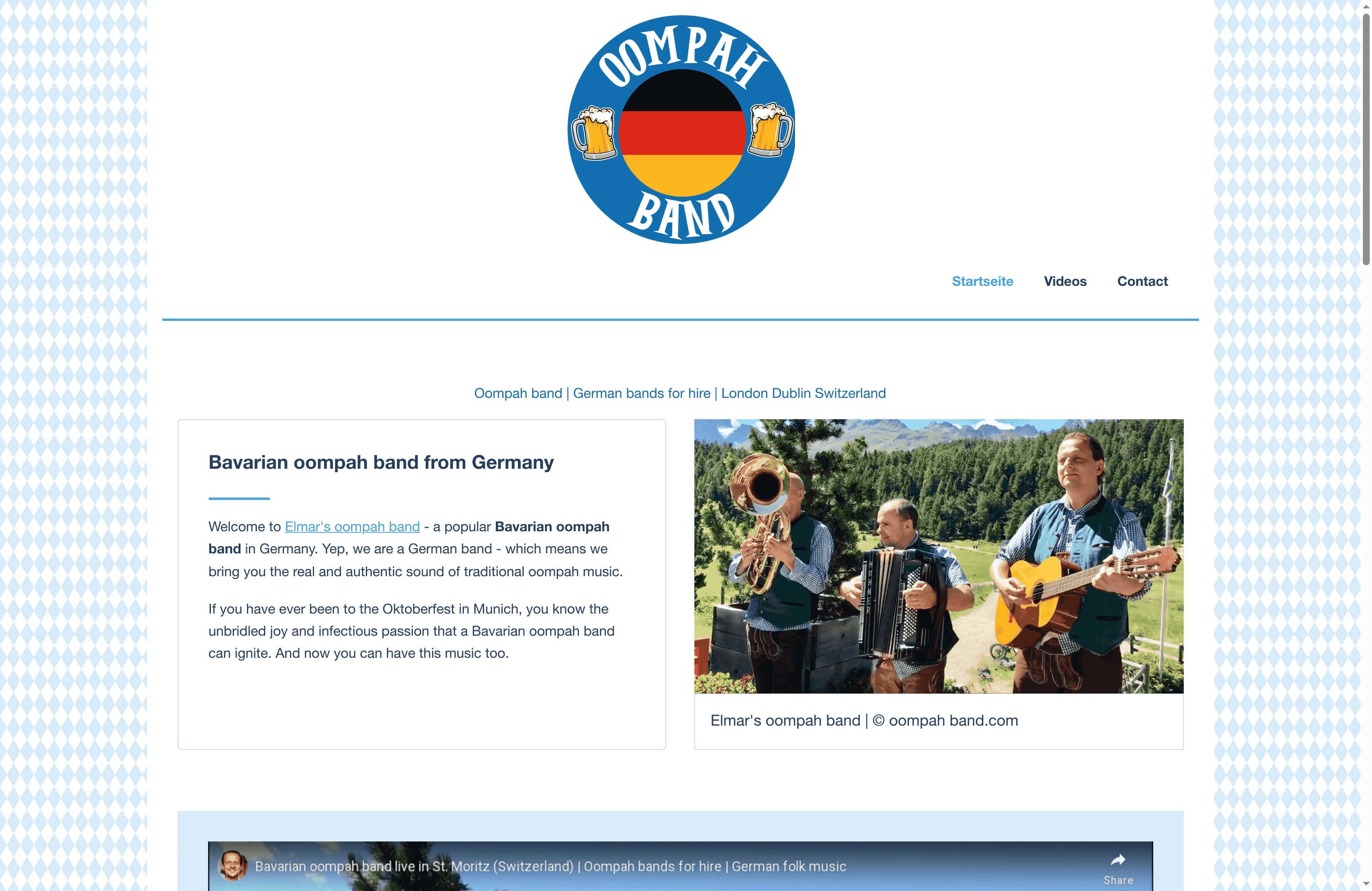
Discover how Elmar’s Oompah Band offers a seamless solution tailored to multinational companies in Germany and beyond. Their blend of Bavarian Oompah music, international party hits, and professional stage presence addresses key challenges such as cultural sensitivity, audience engagement, and technical reliability raised in your event planning. Explore our full range of offerings and secure a vibrant and sophisticated entertainment experience today at Oompah Band. Let us help you create an event that truly reflects your corporate success ambitions.
Frequently Asked Questions
How do I clarify my event goals before choosing performers?
Start by defining what you want your event to achieve, whether it’s brand recognition, client appreciation, or team building. Write down these goals to inform your selection of performers who can align with these objectives.
What criteria should I use to shortlist potential performers?
Establish criteria based on musical style, past experience at corporate events, technical requirements, and client feedback. Prioritise these criteria according to your specific event needs to create a focused shortlist of performers.
How can I verify a performer’s experience and client feedback?
Request references from performers and contact them with specific questions about their experience, such as audience engagement and professionalism. Look for patterns in feedback to confirm that the performer is suitable for a corporate environment.
What should I include in the performance agreement with my chosen performer?
Ensure the agreement outlines event details, performance duration, arrival times, contact information, and payment terms. This creates transparency and helps prevent misunderstandings as the event date approaches.
How do I ensure the technical requirements of the performer align with my venue?
Request a detailed technical rider from the performer and compare it with your venue’s capabilities. Confirm that your venue can meet the performer’s needs to avoid logistical issues on event day.
What steps should I take in the weeks leading up to my event regarding the performer?
Send a reminder email to your performer two weeks before the event to confirm all details are still accurate and address any changes. This helps maintain clear communication and ensures both parties are prepared for the event.
Recommended
- Choosing Event Entertainment – Elevate Your Corporate Event
- 7 Expert Tips for Booking a DJ for Upscale Events
- What Makes a Great Event Band for Corporate Success
- 7 Expert Tips for Hiring Event Bands for Corporate Functions
- 7 Inspiring Examples of Viral Music Videos for Artists | Music Video Marketplace Blog