

Most corporate event planners are surprised that authentic European folk music can increase audience engagement by up to 40 percent at high-profile parties. Organizers in Central Europe know that blending British, German, and Eastern European folk sounds adds sophistication and creates lasting memories. This introduction guides you through the essentials of choosing genuine European folk traditions that vividly enrich atmosphere, highlight cultural diversity, and resonate with distinguished guests.
Table of Contents
- Defining European Folk Music Traditions
- Major Styles And Regional Variations
- Key Instruments And Signature Sounds
- Role In Modern Corporate Events
- Choosing Authentic Folk Music For Events
Key Takeaways
| Point | Details |
|---|---|
| Cultural Significance | European folk music is a vital means of cultural preservation, connecting communities with their historical roots. |
| Diversity of Styles | Each region boasts unique musical styles shaped by local customs, instruments, and historical contexts. |
| Modern Relevance | Contemporary interpretations of folk music blend traditional techniques with modern sounds, enhancing audience engagement. |
| Authenticity in Events | Selecting authentic folk music for events requires understanding regional traditions and ensuring genuine representation. |
Defining European Folk Music Traditions
European folk music represents a vibrant tapestry of cultural expressions that have evolved through generations, capturing the distinctive musical identities of diverse regions across the continent. These musical traditions are deeply rooted in local customs, historical experiences, and community narratives, representing more than simple entertainment but a profound mechanism of cultural preservation. Exploring German folk music traditions reveals how music serves as a powerful medium for transmitting cultural heritage and social memories.
The landscape of European folk music is remarkably diverse, encompassing distinctive styles from Celtic jigs in Ireland to Balkan rhythms in southeastern Europe, each reflecting unique geographical and historical contexts. Regional instruments play a critical role in defining these musical traditions – from the accordion in Germanic regions to the bagpipes in Scotland, these sound-makers are not merely tools but cultural symbols representing community identity. Traditional folk music typically emerges from rural communities, capturing agricultural rhythms, seasonal celebrations, and communal experiences through melodic expressions that communicate shared cultural narratives.
While contemporary interpretations of folk music have evolved, the core essence remains consistent: connecting present generations with historical roots through musical storytelling. Modern folk musicians often blend traditional techniques with contemporary sounds, creating dynamic performances that honour historical traditions while remaining relevant to current audiences. German festival music performances demonstrate how these musical traditions continue to play a significant role in cultural celebrations, bridging generational and cultural gaps through shared musical experiences.
Pro Tip – Cultural Music Insight: When exploring European folk music traditions, listen beyond the melody and focus on understanding the cultural context and emotional narratives embedded within each musical piece.
Major Styles and Regional Variations
European folk music reveals an extraordinary complexity of regional styles, each representing a nuanced musical landscape shaped by geographical, historical, and cultural influences. Systematic comparative analysis of folk music traditions demonstrates that while each region possesses distinctive musical characteristics, underlying melodic patterns create intricate networks of shared musical languages across the continent.
The Nordic regions, including Sweden, Norway, and Finland, showcase unique folk traditions characterised by distinctive instruments like the nyckelharpa (a key fiddle) and hardanger fiddle, which produce haunting melodies reflecting the stark landscapes and maritime histories. In contrast, Mediterranean regions such as Greece, Italy, and Spain feature more rhythmic folk styles, often accompanied by instruments like bouzouki, mandolin, and accordion, which capture the vibrant, passionate cultural expressions of these areas.
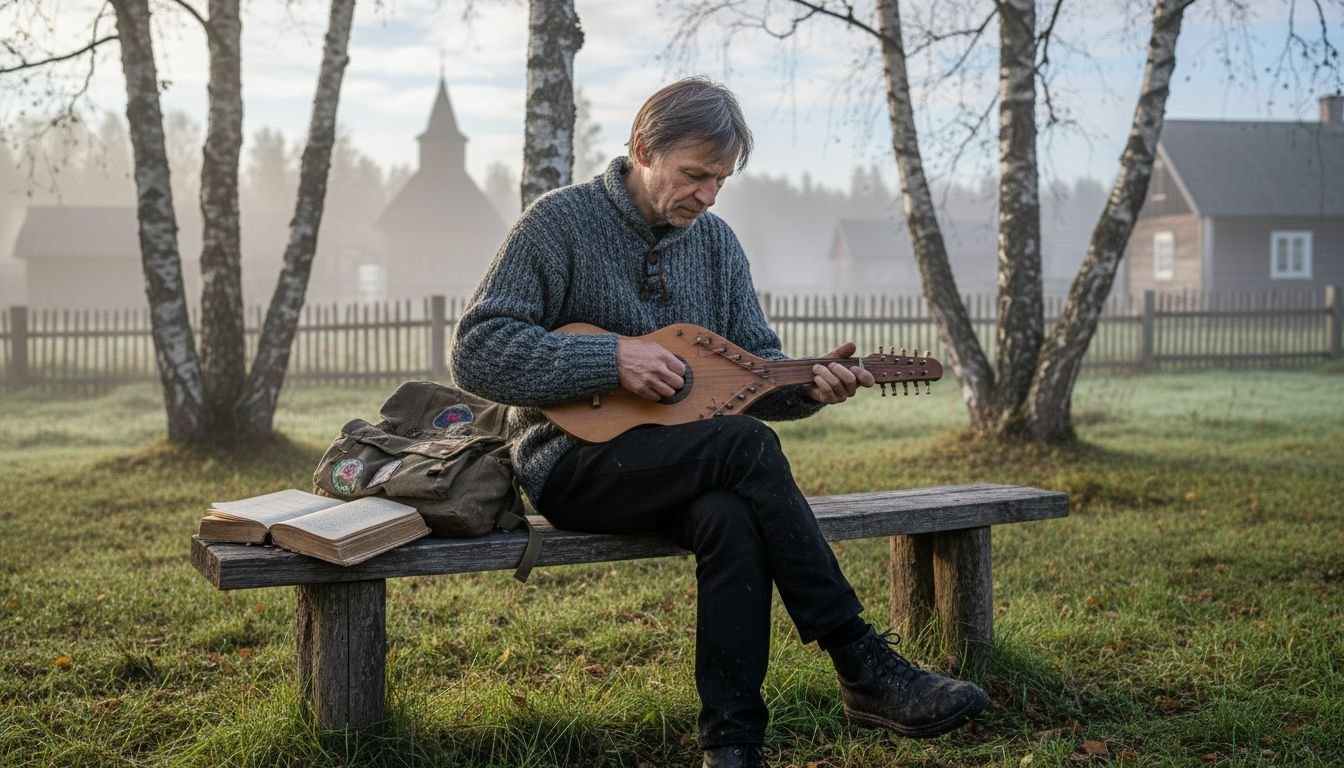
Eastern European folk music traditions present particularly rich and complex variations. Countries like Hungary, Romania, and Slovakia demonstrate intricate musical structures that blend complex rhythmic patterns with deeply emotional melodic lines. These musical traditions often incorporate sophisticated modal scales and improvisational techniques that reflect the region’s complex historical interactions and cultural migrations. The research reveals that while each regional style maintains its unique identity, there are profound underlying musical connections that transcend national boundaries.
Pro Tip – Musical Exploration Strategy: When studying European folk music, focus on understanding the contextual narrative behind each musical style, exploring not just the sounds but the historical and cultural experiences that shaped those musical expressions.
Here is a summary of major regional styles in European folk music and their unique characteristics:
| Region | Signature Instruments | Typical Styles | Key Musical Features |
|---|---|---|---|
| Nordic | Nyckelharpa, Hardanger fiddle | Polskas, Hallings, Joiks | Modal harmonies, lyrical melodies |
| Mediterranean | Bouzouki, Mandolin, Accordion | Tarantella, Fado, Flamenco | Rhythmic, expressive, vibrant |
| Eastern Europe | Cimbalom, Shepherd’s violin | Csárdás, Hora, Kolomyjka | Complex rhythms, emotive lines |
| British Isles | Bagpipes, Tin whistle, Fiddle | Jigs, Reels, Ballads | Lively tempos, narrative lyrics |
Key Instruments and Signature Sounds
European folk music is fundamentally defined by its remarkable array of traditional instruments, each carrying deep cultural significance beyond mere musical functionality. Historical perspectives on Central European instrumental traditions reveal how musical instruments have evolved alongside social and artistic contexts, serving as crucial repositories of cultural memory and expression.
The accordion stands as a quintessential instrument across multiple European folk traditions, particularly prominent in Germanic, French, and Italian musical landscapes. Its versatility allows musicians to create complex rhythmic patterns and emotional soundscapes that capture regional nuances. String instruments like the Hungarian cimbalom, Romanian shepherds’ violin, and Scandinavian hardanger fiddle represent more localised musical expressions, each producing distinctive tones that reflect specific geographical and cultural experiences. These instruments are not merely sound-makers but living cultural artefacts that communicate generations of musical heritage.
Wind instruments provide another fascinating dimension to European folk music, with bagpipes representing perhaps the most iconic example. Different regions boast unique variations – Scottish Highland bagpipes differ dramatically from Bulgarian gaida or Irish uilleann pipes, each embodying specific cultural narratives. Percussion instruments such as tambourines, drums, and wooden blocks complement these melodic instruments, creating rich, layered soundscapes that invite listeners to experience the rhythmic heart of various European musical traditions.
Pro Tip – Instrumental Discovery: When exploring European folk music, pay attention to how instruments interact and complement each other, understanding that each sound represents a complex cultural conversation rather than just a musical performance.
Role in Modern Corporate Events
Traditional European folk music has undergone a remarkable transformation in contemporary corporate environments, emerging as a sophisticated strategic tool for creating memorable and meaningful event experiences. Contemporary research on cultural identity in organisational events reveals how organisations are increasingly leveraging traditional musical expressions to communicate deeper narratives about corporate culture, heritage, and collective identity.
In modern corporate settings, folk music serves multiple strategic purposes beyond mere entertainment. Companies are utilising traditional musical performances to create unique atmospheric experiences that distinguish their events from standard corporate gatherings. German companies, in particular, have pioneered this approach by incorporating authentic folk music ensembles that represent cultural authenticity while simultaneously projecting a sense of regional pride and international sophistication. The musical performances become metaphorical bridges, connecting corporate narratives with rich cultural traditions, thereby creating immersive experiences that resonate on emotional and intellectual levels.
The sophistication of folk music integration in corporate events extends beyond simple musical performance. Organisations are strategically selecting musical genres and performers that align with specific corporate messaging, using instrumental selections and performance styles to communicate nuanced organisational values. A technology company might choose dynamic, innovative folk interpretations to reflect its progressive culture, while a traditional financial institution might select more conservative, classical folk arrangements that emphasise stability and heritage. This deliberate musical curation transforms folk music from background entertainment into a powerful communication medium that speaks directly to event attendees’ sensibilities.
Pro Tip – Musical Event Strategy: Select folk music performers who can dynamically adapt their repertoire to match your corporate event’s specific tone and objectives, ensuring the musical experience feels both authentic and purposefully aligned with your organisational narrative.
Choosing Authentic Folk Music for Events
Selecting authentic folk music for events requires a nuanced understanding of regional musical traditions and cultural contexts. Expert guidance on authentic folk music selection emphasises the critical importance of understanding specific musical patterns, performance practices, and expressive qualities that define genuine regional folk music experiences.
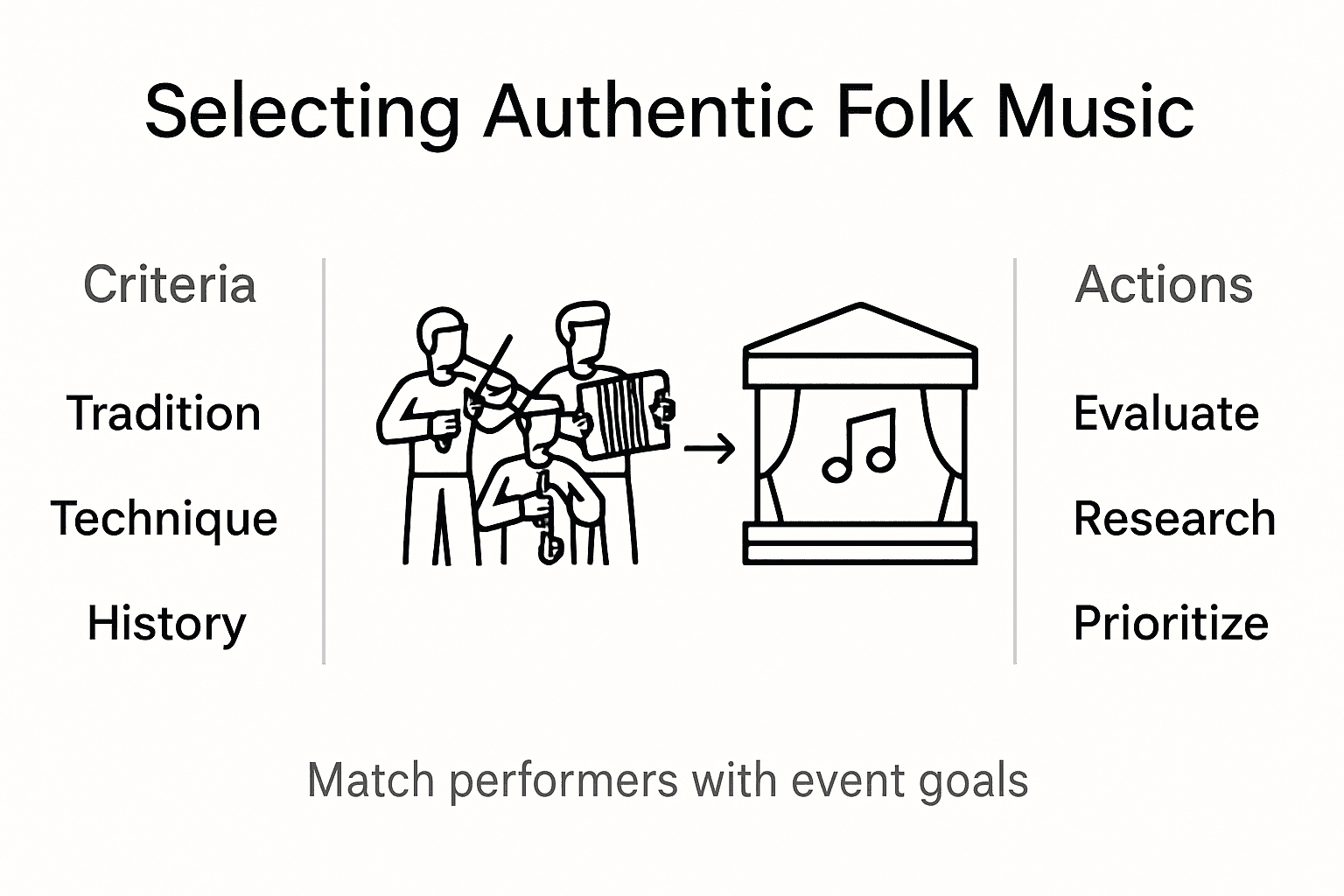
Authenticity in folk music selection hinges on several key considerations. Event organisers must look beyond surface-level musical performances and delve into the intricate details of instrumental arrangements, repertoire selection, and performance styles specific to particular geographical regions. For instance, a Bavarian folk music performance requires different instrumental combinations and musical sensibilities compared to a Romanian folk ensemble. Understanding these nuanced differences ensures that the musical experience feels genuine and culturally respectful, rather than a generic or stereotypical representation.
The selection process involves careful evaluation of musical ensembles based on their historical accuracy, musical technique, and cultural understanding. Professionals should seek performers who not only play traditional instruments but also demonstrate deep knowledge of the musical traditions they represent. This means looking for musicians who can articulate the historical context of their music, understand regional variations, and perform with the emotional depth that characterises authentic folk music. Factors such as instrumental authenticity, regional costume, performance style, and musical repertoire all contribute to creating a truly immersive and genuine folk music experience that resonates with audiences.
The following table highlights considerations for selecting authentic folk music for your event:
| Consideration | Why It Matters | Example Action |
|---|---|---|
| Regional authenticity | Ensures cultural respect and relevance | Choose local ensembles, not generic |
| Instrumental accuracy | Preserves tradition and recognisable sound | Verify use of traditional instruments |
| Performer expertise | Delivers emotional, skilled performances | Seek musicians with heritage knowledge |
| Performance style & attire | Enhances immersion and ambience | Request traditional costume and staging |
Pro Tip – Musical Authenticity Strategy: Prioritise performers who can demonstrate a genuine connection to their musical heritage, not just technical proficiency, to ensure your event captures the true spirit of traditional European folk music.
Elevate Your Corporate Event with Authentic European Folk Music
Many corporate events struggle to create unique atmospheres that connect guests emotionally while showcasing cultural heritage. This article highlights that traditional European folk music, especially authentic German styles like Bavarian Oompah, can serve as a powerful tool to bridge cultural identity and corporate storytelling. The challenge lies in selecting performers who understand musical authenticity and can align their repertoire with your event’s tone and message.
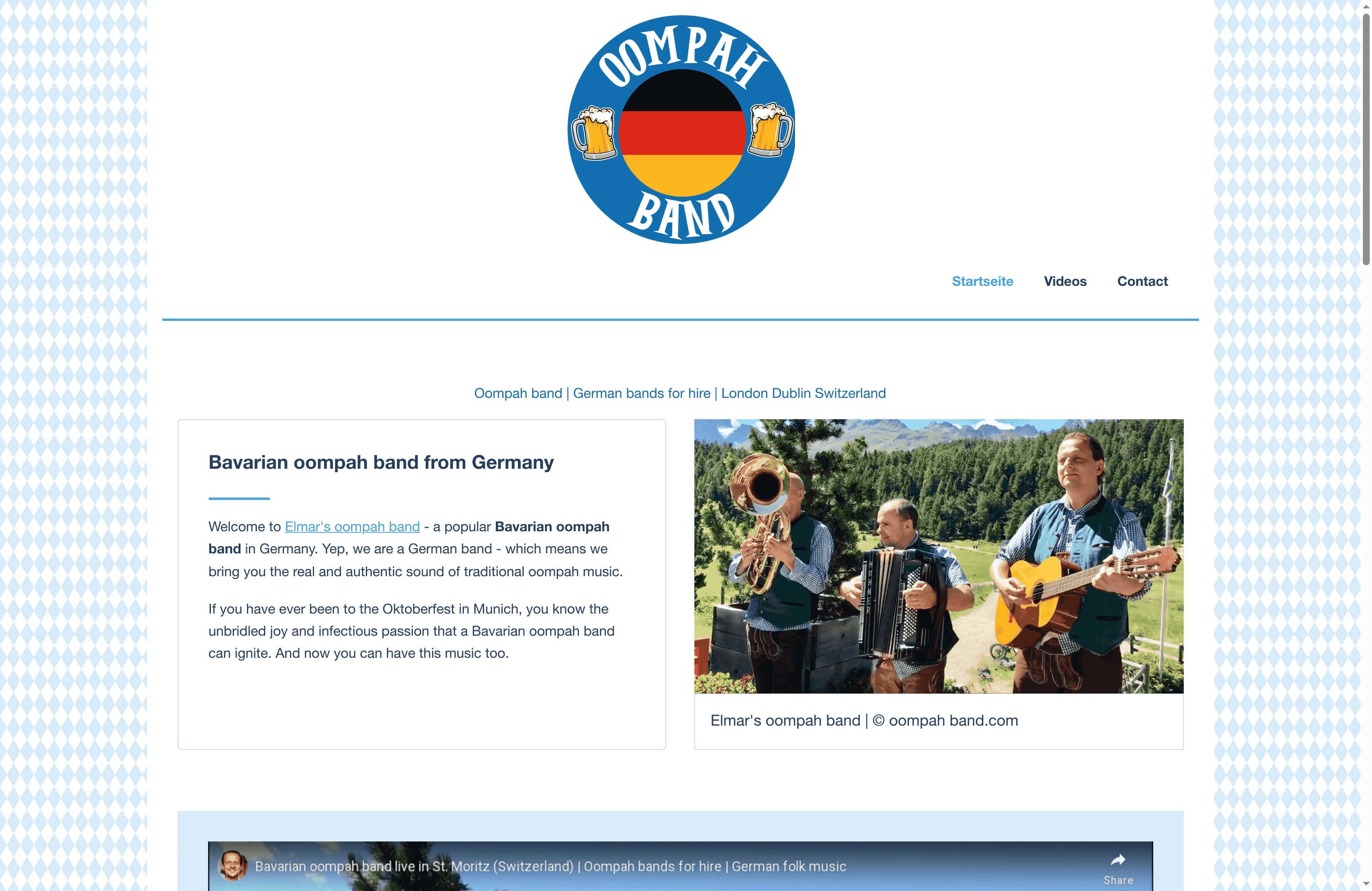
Elmar’s Oompah Band offers exactly this blend of genuine folk tradition and versatile entertainment, ideal for sophisticated corporate settings. Combining classic polkas, waltzes and yodelling with international party hits, their performances bring vibrant energy and cultural depth that resonate with diverse audiences. They provide flexible setups from unplugged mobile acts to amplified stage shows, often featuring a talented female singer and DJ services during breaks. This ensures your event maintains momentum and leaves a lasting impression while embracing the rich heritage of European folk music.
Take the next step and discover how authentic German folk music can enhance your event atmosphere. Visit Elmar’s Oompah Band to explore their performances and learn how they can tailor music perfectly suited to your corporate narrative.
Secure your date now with a band that understands the impact of traditional music on modern corporate events. Let Elmar’s Oompah Band help you create a memorable celebration that honours culture and inspires your guests.
Frequently Asked Questions
What is European folk music?
European folk music refers to traditional musical styles that have evolved through generations, rooted in local customs and cultural identities across various regions in Europe. It encapsulates a diverse range of genres, instruments, and melodies that reflect the histories and experiences of different communities.
How does folk music impact corporate events?
Folk music can play a significant role in corporate events by creating an immersive atmosphere that enhances the overall experience. It serves not just as entertainment but also as a tool to communicate organisational values and cultural heritage, facilitating emotional connections among attendees.
Why is authenticity important when selecting folk music for events?
Authenticity in folk music selection ensures cultural respect and relevance. It helps preserve traditional sounds and practices, ensuring that the music performed accurately reflects the intended cultural context, thereby creating a genuine and engaging experience for the audience.
What are some key instruments commonly used in European folk music?
Some key instruments in European folk music include the accordion, bagpipes, nyckelharpa, cimbalom, and traditional fiddles. Each instrument carries cultural significance and contributes to the distinctive sound and character of regional folk music traditions.